Introduction to Business Structure Selection
Selecting a business structure is one of the most critical decisions a startup can make. Out of all, Private Limited Company (Pvt Ltd.) and Limited Liability Partnership (LLP) are the two often used, rendering the smaller segment of incorporation in India. These three structures present unique compliance, tax, ownership, and scale benefits. It is essential for startups to contrast both options so they can align either with long-term business goals.
Understanding a Private Limited Company
A Private Limited Company is a group of individual or groups of company as a separate legal entity. This enables shares to be issued to investors and is appropriate for businesses intending to secure funding.
Under this framework, the ownership is broken into shares and the liability is limited by up to the number of shares owned. It is known for its clear structure concept and governance and regulatory framework, making it the preferred choice in startups focused on rapid growth and investment.
Understanding a Limited Liability Partnership
A Limited Liability Partnership is a partnership firm with limited liability. It aims to provide operational flexibility but protects partners from personal liability to third party debts of the business beyond their agreed contribution.
Most small and medium-sized businesses prefer LLPs, as LLPs are easier to be managed and have lower compliance requirements.
Distinctive Features of Pvt Ltd Vs LLP
Legal Structure and Ownership
A Pvt Ltd is regarded as a separate legal entity from the shareholders and directors, whereas the LLP has partners who oversee and directly run the firm. A share signifies ownership in a company whereas in an LLP this is defined as per the partnership agreement.
Compliance and Regulatory Requirements
A Private Limited Company has way more stringent compliance requirements. In order to be compliant, there are regular filings, board meetings and statutory audits that need to be carried out.
Unlike the LLP, however, the LLP has fewer regulatory requirements, making it easier to manage and ideal for companies where administrative resources are limited, such as start-ups. Before they end up taking a decision many entrepreneurs want to take the advice of a Chartered Accountant near me to learn about these compliance obligations.
Funding and Investment Opportunities
One of the major reasons for funding through Pvt Ltd company is Privateness of the company. Usually, venture capitalists and investors favorable towards this structure because of its transparency as well as shareholding model.
Unlike companies, LLPs do not offer shares, which limits their ability to raise capital. This is why they are less suited for startups who want to scale fast with investment.
Taxation and Financial Considerations
The taxation structures are different. Taxation-Pvt Ltd company is taxed as a company, while LLP is taxed as partnership firm.
Each structure has specific tax benefits, and making the right decision is really down to the nature of the business and the level of profitability. Most practitioners suggest a professional chartered accountant advice for ideal tax planning and compliance.
Flexibility in Management
LLPs are more flexible in their internal workings, as they are run according to a partnership agreement. Decisions tend to be more informal and easier to make.
In contrast, Private Limited Companies operate in a more systematic manner with specified duties for directors as well as shareholders. While it may make them accountable, it could affect their operational flexibility.
Suitability for Startups
When Is Pvt Ltd Ideal
A Private Limited Company is most preferred bill for rapid growing startups that want to attract investors or working on reputed brand. This is especially useful for technology startups and companies that intend to go beyond the local market.
When LLP Is Considered Suitable
Startups focusing on slow but steady growth, professional services, or family-run businesses usually prefer LLPs. Ideal for projects that do not heavily rely on outside capital, and simplicity takes precedence.
Importance of Expert Consultation for Decision-Making
Choosing the proper one needs deep examination of the objectives of the business, financial needs preparations and also criteria for compliance. A chartered accountant will give you an idea of the pros and cons of each.
Companies such as GSCCA, which provide expert services in company registration and compliance services, help startups to find the optimal structure. This is crucial for making sure the selected model meets both short-term requirements and long-term goals, a guidance that they provide.
Significance of abiding by rules and Cyber-based systems
As income tax & returns online systems expanded, in-person time & processes were made more transparent, and streamlined. But, both Pvt Ltd and LLP still need to file accurate documents as per the regulations.
With professional support, you can ensure that all your filings are done correctly and there is less chance of penalties that do not pose a credibility threat to the business.
Why Startups Prefer Expert Support
To avoid such errors during registration and compliance, most of the entrepreneurs approach the Best chartered accountant near me. It makes the process easier and allows founders to focus on building their business rather than getting tangled in complex regulations.
Early stage strategic decisions lay the groundwork for an enormous amount of time and effort down the road.
Conclusion
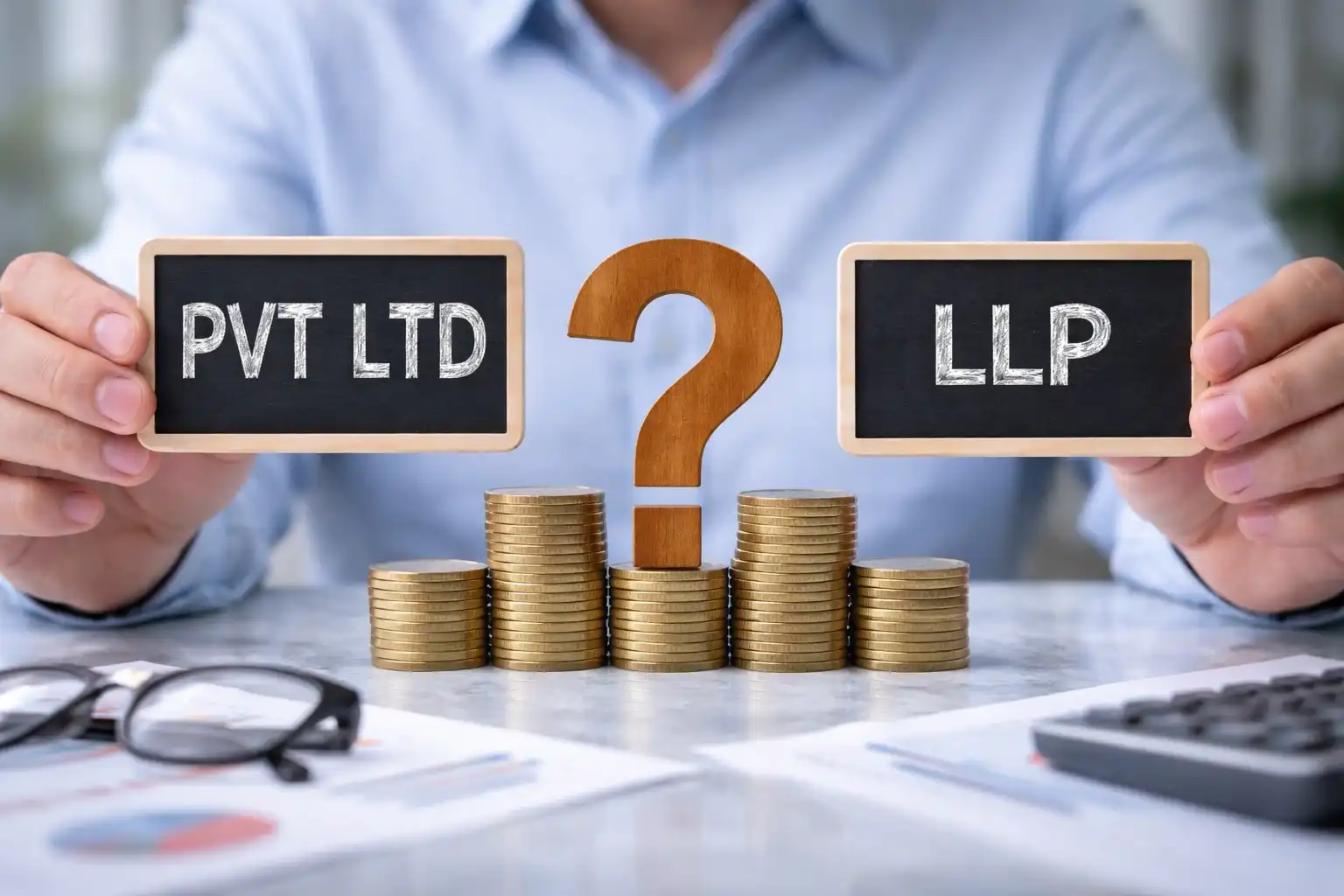
Private Limited Companies and LLP – which is a better option? A permanent solution to this question does not exist but it really depends on the startup and its requirement. If you want to get better opportunities for growing and investment then Pvt Ltd companies are the way to go, but if you want simplicity and flexibility then go for LLP.
When analyzing their own business objectives with the help of market experts like GSCCA, startups can take educated decisions that cater to sustainable growth. The right structure promotes seamless operations, efficient compliance, and ultimately, a vast space for prosperity in the income tax & returns india business landscape.