Eligible businesses who do not need to register for GST can also opt for a voluntary GST registration to help them run their business, do business with GST registered clients, and claim eligible tax credits. many small business owners in India feel that they should get registered for GST only when their turnover exceeds the specified limit.
Startups, independent contractors (freelancers), professionals (consultants), retailers (traders), manufacturers, and service providers may find voluntary GST registration beneficial. It is important that businesses are aware of the advantages associated with being registered as well as the ongoing compliance requirements and economic impacts of being registered in the GST system prior to submitting an application.
Why Do Businesses Consider Voluntary GST Registration?
Businesses typically choose to voluntarily register for GST if they intend to grow their client base, or do business with bigger businesses. Many clients will opt to deal with GST-registered suppliers as this allows them to keep a track of the taxes being paid, as well as determine what Input Tax Credit can be claimed.
Registration will assist in establishing a formalized invoicing system for businesses. When a business is registered with the GST, they can provide tax invoices to their clients (where allowed and appropriate) to aid them in understanding both the amount of the supply that is subject to taxation and the amount of GST that has been applied to that supply.
In addition, registering a business does not guarantee its growth or increases in sales. The value of registration depends upon several factors such as the type of business, customer expectations, pricing strategies, and cost of complying with regulations.
Benefits of Voluntary GST Registration for Small Businesses
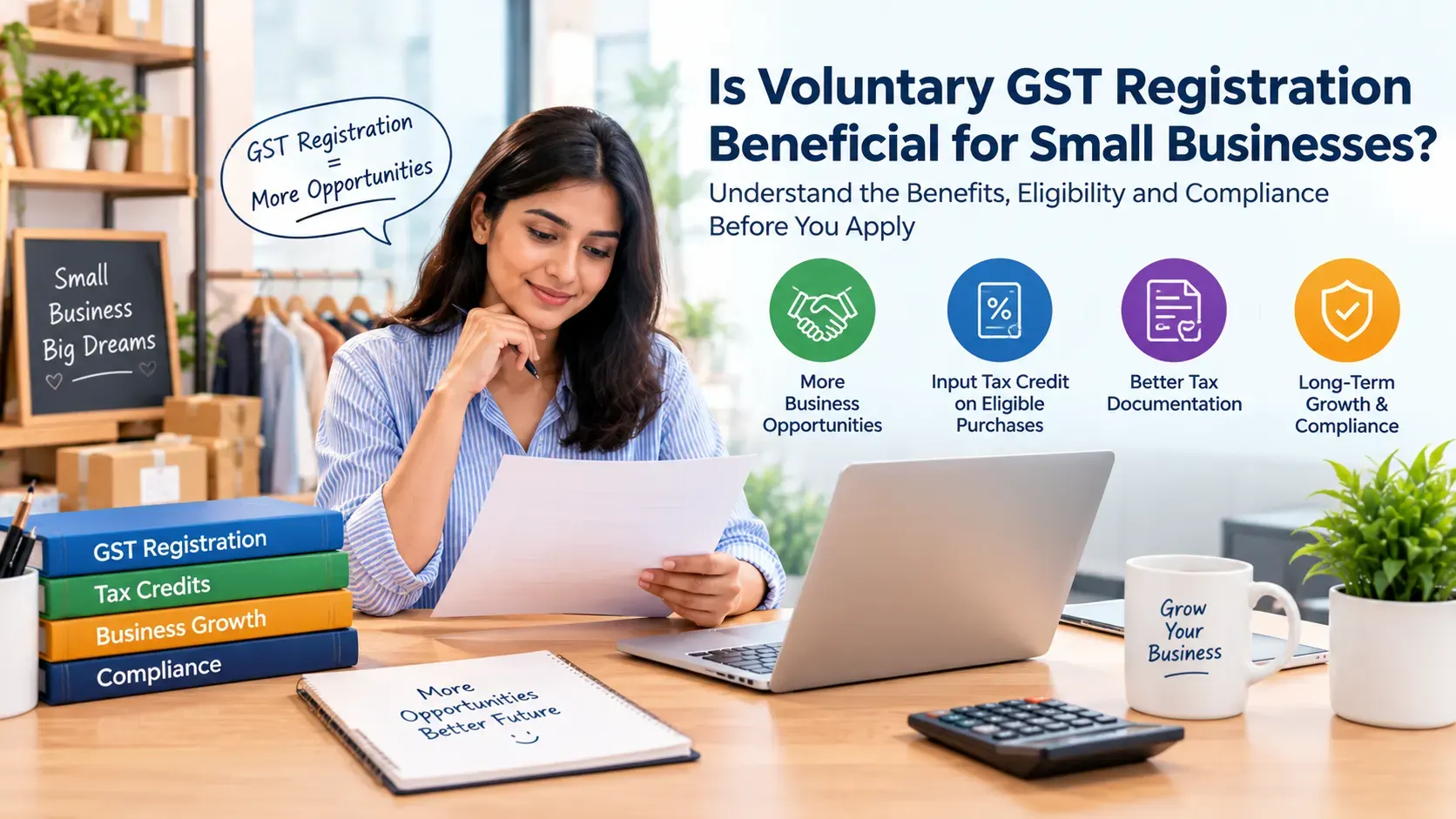
Better Business Opportunities
Small business owners who register for GST voluntarily are more likely to do business with large companies, and they will be able to complete many different types of B2B transactions. Companies that are required to use GST registered suppliers, would also be able to work with these smaller businesses.
For startup companies and service provider organizations seeking to grow beyond one-on-one relationships with their clients, this can be an important factor. It is still necessary for businesses to determine if their prospective customers have a need for registered vendors prior to completing the application process.
Input Tax Credit on Eligible Purchases
A possible benefit of choosing to register voluntarily for GST is the ability to claim an input tax credit on some eligible business-related purchases. Depending on the relevant GST rules, the required documentation, and limitations, a GST-registered business could potentially receive a credit for any GST they have paid on qualifying inputs and services.
For instance, if you’re a business that buys qualified equipment, software, or professional services you may have access to input tax credits (ITC) as long as all of the other requirements are met. Your actual savings will depend on your company’s transaction history and whether or not you qualify.
Better Tax Documentation
Businesses registered under GST have to keep enough invoices, records of transactions and data related to taxes. This may also help to make it easier to review the business’s transactions, in addition to improved financial record keeping.
Good records can also help you to keep track of your finances (accounting), to make sure that everything adds up correctly (reconciliation) and to communicate effectively with customers and suppliers.
Who Should Opt for Voluntary GST Registration?
If you are a business that wants to sell to other businesses, a freelancer working with GST registered businesses, a trader planning to explore new markets or a service provider expecting operational changes, you should evaluate the possibility of voluntary GST registration.
But not every single small business needs to register for GST immediately.Small businesses that primarily deal with individuals may want to consider the amount of cash they are outlaying on GST and whether those costs will affect their competitiveness or the prices they can charge.
Additionally, the business will need to assess whether it is eligible to register for GST according to the relevant GST laws in its present state. Business owners can do this by checking if the voluntary registration option is available for their specific situation, or if there is another section within the law that requires them to register.
Responsibilities After GST Registration
Business owners need to be aware of the fact that if they decide to apply for voluntary GST registration, then this will create long-term compliance obligations. Such as, filing required GST tax returns; issuing correct invoices; keeping track of business transactions; paying the appropriate amount of GST on taxable goods and services; and adhering to all relevant reporting regulations.
Even if you haven’t had any business transactions in a given time frame, you may still need to submit reports based on the filing regulations that apply to your registered business. If you fail to meet reporting deadlines or do not keep adequate records, you could incur additional costs associated with compliance.
Therefore, it is necessary to evaluate the cost of complying with GST (including time, accounting support, and other costs) prior to determining whether or not to implement GST.
How to Decide Whether Voluntary GST Registration Is Right for You
Based upon the projected sales of goods/services, the demographic of the consumers who will purchase from you, the cost of running your company, how you price your products/services and future growth plans; this should assist with making a decision. You should also take into account if you will be able to collect GST, if your customers will be able to claim back any GST paid as an input tax credit, and the compliance requirements that you will have to adhere to.
A business that makes a lot of eligible purchases and has GST-registered customers will be quite different than a freelancer who provides services to individuals. By looking at the possible benefits of being GST registered versus the cost of maintaining registration, you should be able to make a better-informed choice.
Get Professional Guidance for GST Compliance
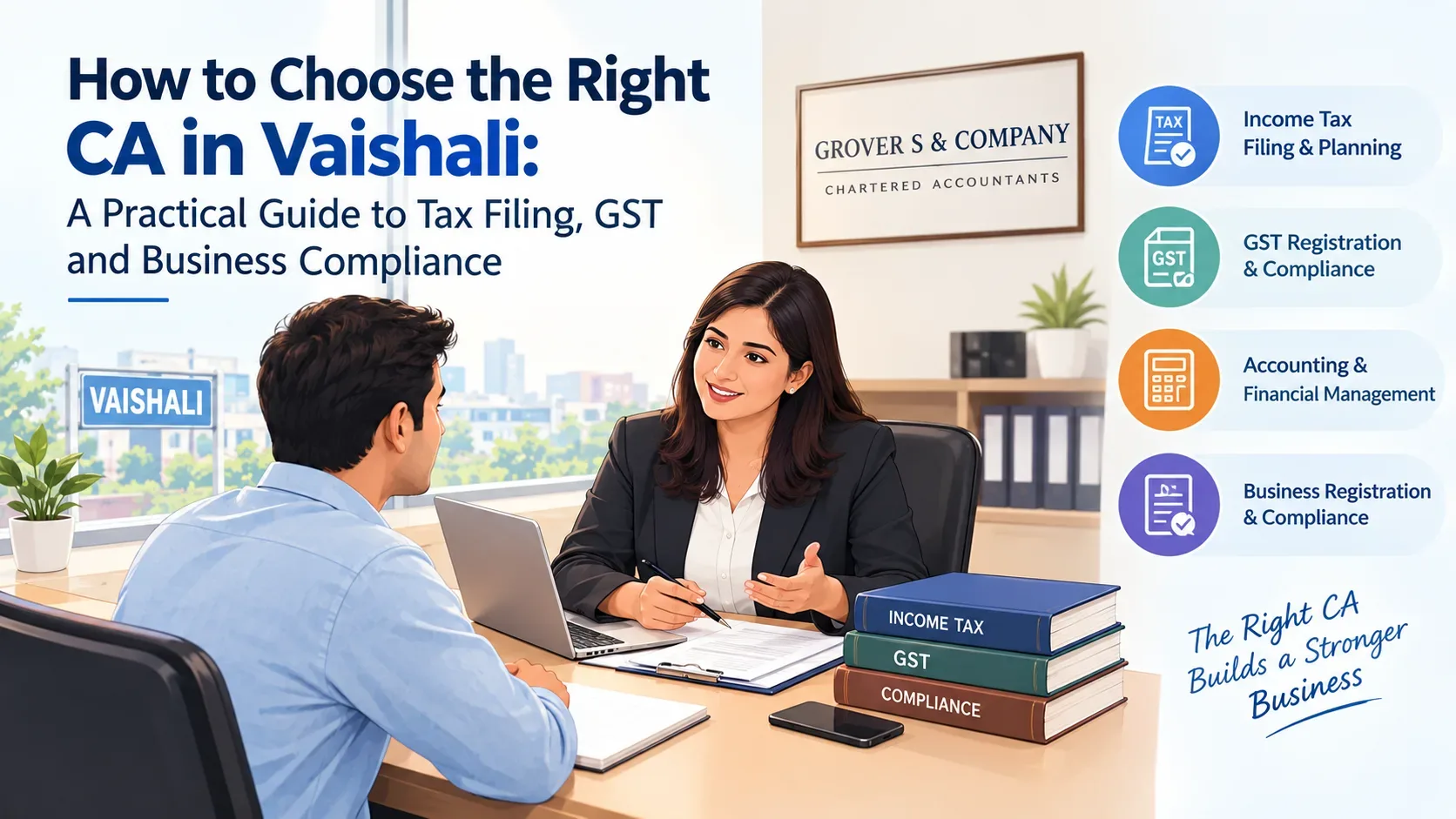
Understanding what it means to voluntarily register for GST (Goods & Services Tax) can be difficult to do with many factors to consider such as whether you qualify, the amount of input tax credits you will receive, how you issue invoices, and your tax return filing requirements. Grover S & Company assists businesses in determining which GST rules apply to their business, what are the registration requirements, and what compliance responsibilities they have going forward.
A professional’s assistance will enable you to assess your current situation, collect the required information, and comprehend the requirements that come with registering for GST prior to moving forward.
Final Thoughts
The choice of whether or not to register for the GST voluntarily may provide a number of advantages to eligible businesses. This is especially true if a business has clients who are already registered for the GST, and/or plans to grow its business. On the other hand, there are on-going tax and compliance requirements associated with voluntary GST registration.
Business owners may wish to evaluate the potential advantages of voluntary GST registration against the relevant GST laws and associated expenses before determining if voluntary registration would support their business objectives.