The Illusion of Being “Compliant”
Most Businesses assume that one incorporation is done and tax registrations are obtained, compliance is a regular formality. Nevertheless, legal future-proofing encompasses more than the act of discontinuing sporadic filings. The reams of rapid regulatory updates, changing GST rulings, Corporate governance standards, and digital compliance are making business operations complex.
During the initial phase of setup, entrepreneurs look for a trusted gst registration office near me, however very few think ahead to plan a compliance strategy for the long-term in equal importance. As companies scale, a neglected obligation may evolve into a fine, a notice, or a reputational risk.
Selecting the Best Business Type from the Get-Go
Understanding company registration types in India is the cornerstone of compliance. These structures also have different associated statutory obligations. Limited liability Company (LLC) has decent compliance but decent limited liability as well) A sole proprietor is the best no compliance level but has the worst limited liability A private limited company has more strict annual filings, board meetings, audit compliance, etc but has more credibility and scalability.
Startup founders are not only concentrated on developing their will away from it somewhere, and they usually opt better in different structures because it is cheaper and less paper. But then, once there is a need for an investment or expansion, the very structural limitations may cause legal problems. We need paperwork, regulatory approval, and new compliance procedures associated with conversions between entity types.
Choosing the right structure early on minimizes long term risks and compliance headaches.
GST Compliance: More Than Registration
GST registration is really an event which people look forward to. While most of the companies concentrate only on getting the certificate of compliance, the actual compliance starts from there. And filing delays, wrong invoice category, mismatch input tax credit and incorrect reporting may attract attention of the authorities.
Finding a gst registration office near me might add some assistance during the onboarding of your GST requirement however, the real game is to keep looking at returns, vendors, and document management systematically.
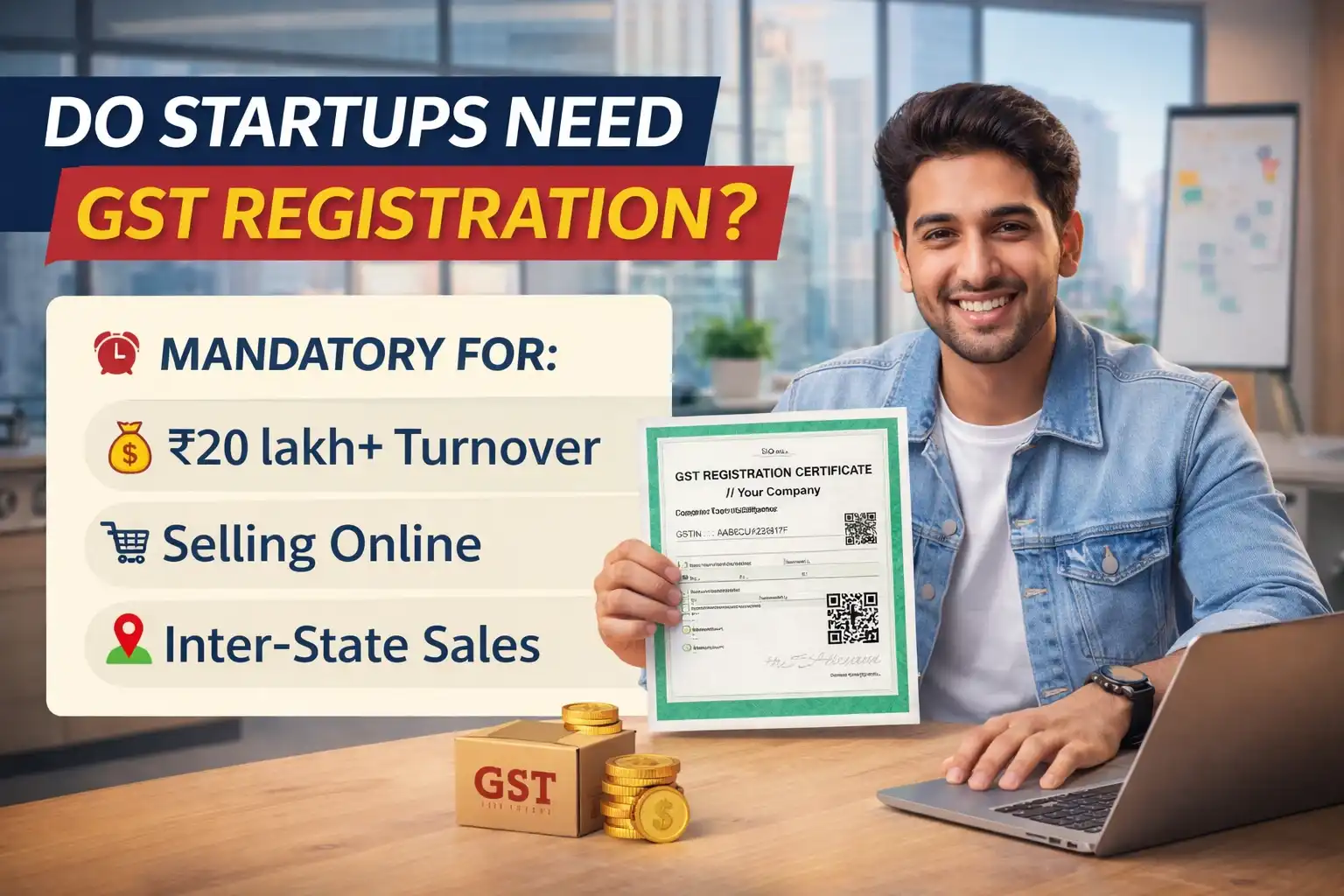
Note that other GST registrations may be required when turnover rises, or if the business operates interstate. Penalties or cancellation of GST numbers for not updating registrations or not declaring correct business activities.
Overlooked Corporate Law Obligations
Corporate law compliance, beyond taxation, is often underestimated. Private limited companies must hold board meetings, maintain statutory registers, file annual returns with the Registrar of Companies, and audit them regularly.
Breach of law may not jeopardise operations immediately, but breaches soon start to accumulate, leading to significant fines or the directors being disqualified in the long run. But firms that scale, without first understanding their governance frameworks, may unwittingly subject themselves to regulatory enforceability.
It is more than termination the kind of work here, the corporation registration sorts in India are approximately taxation and ongoing legal obligations.
Financial Reporting and Audit Gaps
Legal sustainability, starting with accurate financial reporting Financial transactions have a higher level of complexity inherent in them as companies scale. If there is no organized structure to the accounting systems, the business may risk missing out on revenue recognition mistakes, tax miscalculations, and incorrectly planned cash flows.
Many companies will think about how to prepare for audit just at the financial year end; however, audit readiness should be embedded in every day practice. Poor record-keeping and a lack of paperwork are some of the biggest catalysts for compliance problems.
A qualified ca firm in delhi can help promote structured financial reporting while ensuring that the accounting practices are compliant to the statutory norms and standards. Businesses are made aware of the areas of risk before they turn into legal notices, thanks to professional advisory.
Labor Law and Employment Compliance
Labor Law Compliance is often one of the areas that businesses miss when expanding. There are some legal provisions that deem the employer responsible for various obligations/requirements such as Provident Fund registration, Employee State Insurance compliance, and professional tax registration & compliance in various states based on minimal employee count thresholds.
Penalties and inspections can be attracted from incomplete employment documentation or tardy statutory deposits. It’s simple: the bigger the workforce, the more complicated compliance becomes.
This entails technical architecture, systematic HR documentation and payroll structuring, along with compliance to relevant state and central labour laws for creating a business that can stand the test of time.
Data Protection and Digital Record-Keeping
As businesses have transitioned into the digital age, the expectations of keeping records safe and customer data protected have rapidly increased. Given that regulators are placing increasing scrutiny on digital compliance and documentation transparency, lack of proper record-keeping may weaken any legal defenses in the event of audits or disputes.
Outdated agreements, lack of digital backups on these documents, and poorly executed contracts can weaken legal chains. Compliance now in a lot more than being able to file a few documents in person; it encompasses cybersecurity compliance as well.
Expansion Risks and Structural Weaknesses
If businesses open up different states or offer new services, they may have to obtain further registrations. If GST registration is under a particular category, then it is possible that there might be a change in the nature of business verticals.
Companies often expand operationally but forget to keep regulatory documentation updated. As a result, there is an exposure created during departmental audits or funding due diligence because of this gap.
Before growing, a strategic compliance review ensures relevant registrations, filings and statutory records reflect current operations.
The Importance of Seeking Professional Compliance Advice
It is not through correcting in response to failed compliance that we find legal sustainability, but through review. Assim: There is constant change with regulatory frameworks which means they need to be monitored continuously as it is linked to our teams.
GSCCAis a professional CA firm in Delhi, which helps business in GST registration, corporate compliance and structural advisory. Though no two enterprises have the same requirements, organized compliance evaluation is vital in ensuring lasting stability.
Marginality consultants ensure that operational expansion coincides with regulatory clarity, giving businesses a sense of direction.
Building a Compliance Culture
Compliance as an inherent part of organizational culture sets up future-ready businesses. Implement documentation processes, plan regular audits and compliance calendars eliminate the scope of lay off.
A: Strong legal foundations – Maintenance starts with the management being in the know of what are the types of company registration in India,tracking a reliable gst registration office near me in time and also, approaching shades of ca firm in delhi.
Compliance is not a cost, it is a sustainability investment.
Conclusion
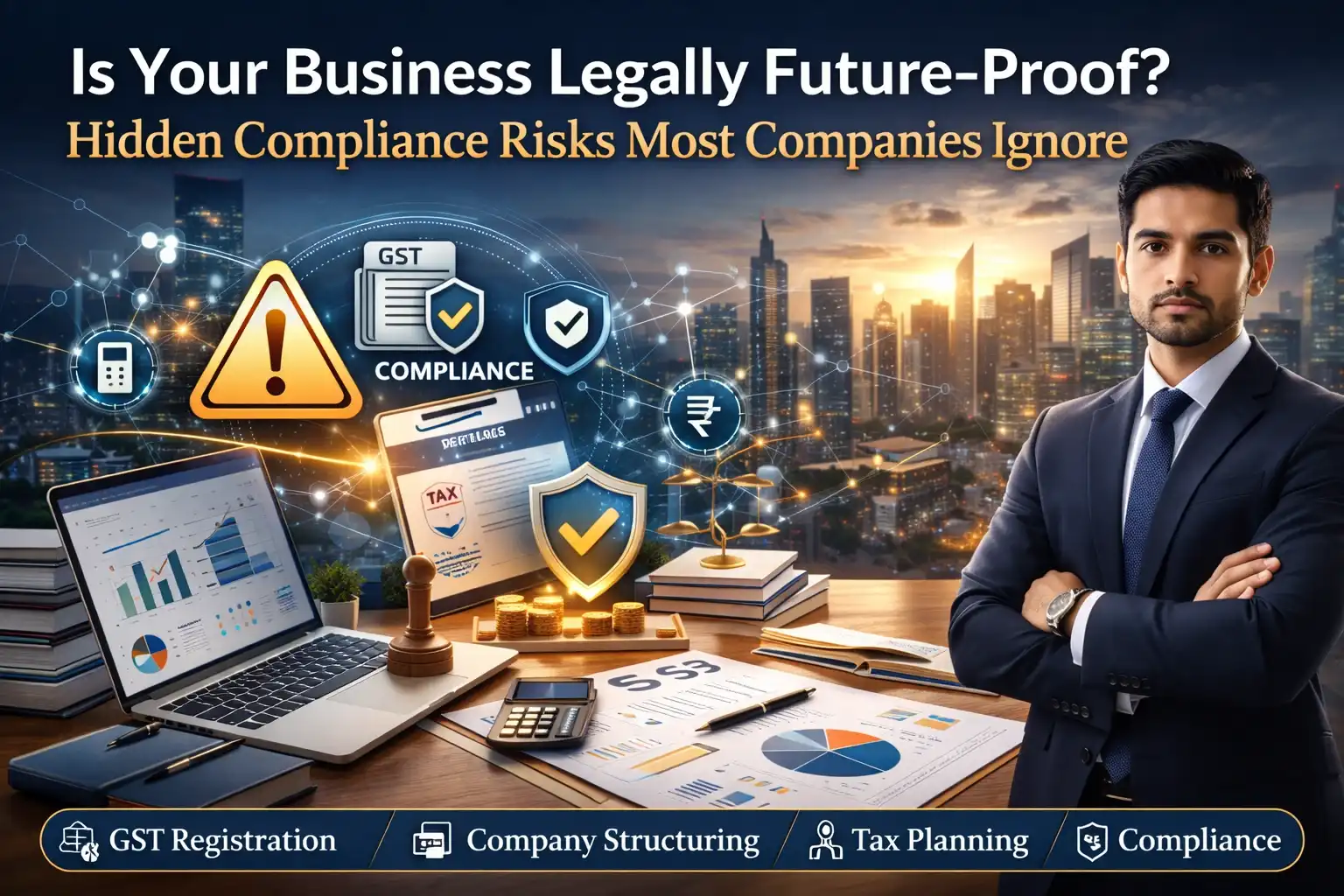
To future-proof from a legal perspective, a more systematic planning is required across taxation, corporate governance, labor compliance and financial disclosure. Many organizations believe that they need to only register initially, but that compliance risk may be building quietly beneath
However, through proactive entity structure reviews, improving GST compliance systems, and engaging specialist input, businesses can mitigate the risk of penalties and interruptions to their operations.
Sustainable growth not only stems from revenue growth, but also the ability to withstand legal scrutiny and run a disciplined compliance management program as laws and regulations continue to increase in countries or regions of their operations.gs