Digital Bookkeeping vs. Traditional Accounting: What’s Best for Small Business?
SMBs Navigate the Fast-Paced, Compliance-wired World of Strings where fine Financial Records Are a Matter Of Life and Death Today’s small businesses function in a high-speed environment driven by compliance where maintaining accurate financial records is paramount to survival and growth. There comes a point where business owners wonder if they should keep using old school accounting services or transition to online bookkeeping. Knowing how these two approaches differ allows companies to make knowledgeable choices that affect their efficiency, compliance and profit.
At GSCCA, we collaborate with small businesses to select the best accounting method for their size, type of business they operate and what their long-term objectives are.
Traditional Accounting for Small Business Owners Explained
Old school accounting follows manual or simple desktop procedures for logging financial transactions. This process involves paper invoices, registers, hunched over spreadsheets and offline software. Small businesses have lagged in making the switch because it is more comfortable and does not require the expertise of traditional accounting.
Traditional accounting can suffice for those very small operations, but it tends to get too cumbersome as the business expands. Rekeying financials puts the company at risk for error and delay in reporting, as well as an inability to track real-time performance. The businesses that operate under traditional accounting rely more on review periods, and not continuous financial position updates.
What Is Digital Bookkeeping and How Does It Work
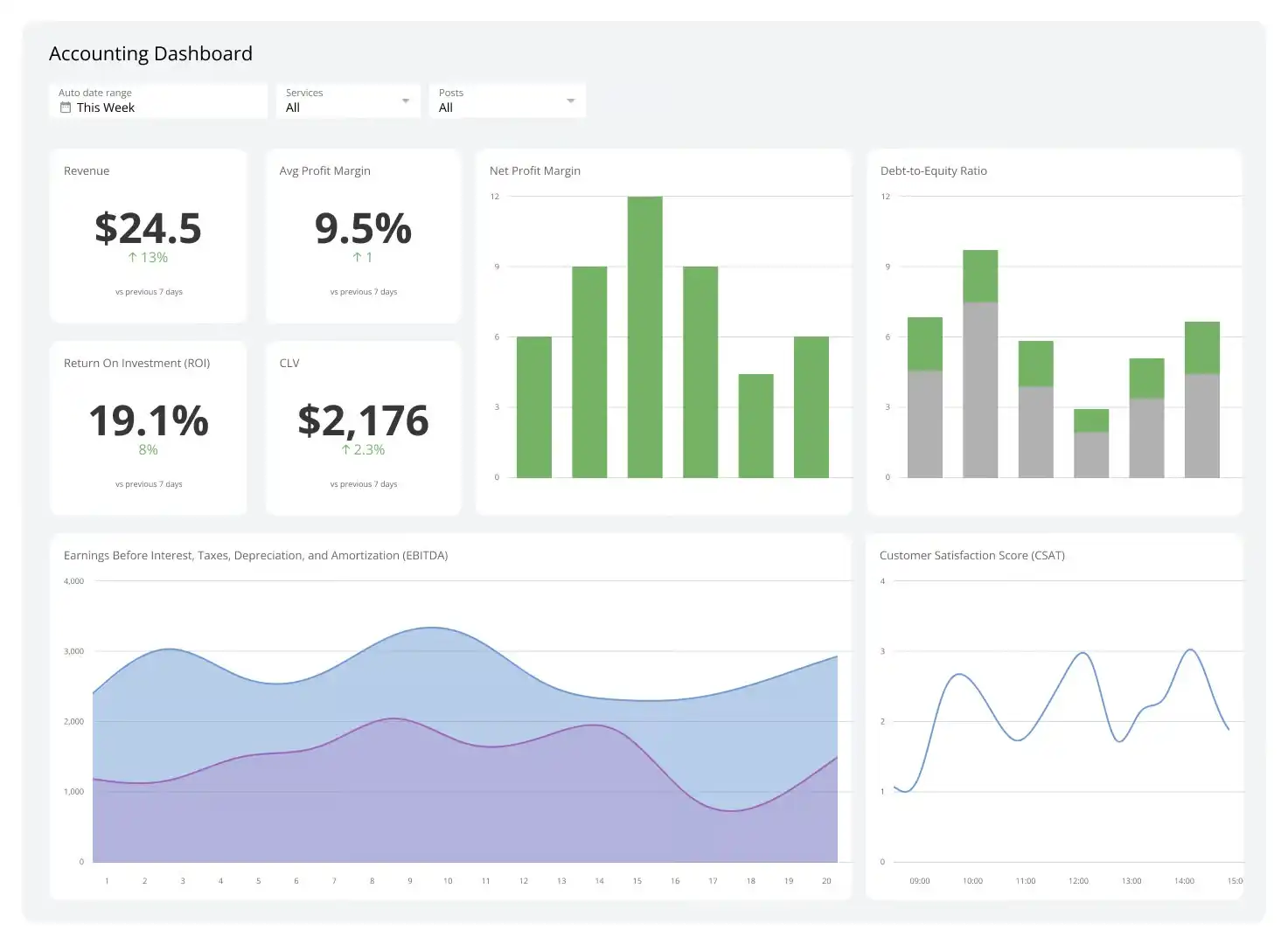
Online accounting Cloud-based accounting software is used to digitally record, store and manage financial data online. Transactions are in real-time and records can be accessed from anywhere. Bank integrations, invoice automations and digital document handling cuts manual work by far.
So SMEs get real-time financial reports, cash flow status and compliance statistics by doing digital bookkeeping. GSCCA assists with implementation of digital bookkeeping systems to meet a client’s business needs, while maintaining data integrity and compliance requirements.
Efficiency and Time Management Comparison
Control Barrier Traditional accounting needs to input data, reconcile and generate report manually. Finding their position is often long-winded due to spending extra time coordinating with accountants. This can delay decisions and shift focus from the business side of your company.
“Digitization reduces effort with automation for routine tasks. The speed of recording transactions, reconciliations and generation reports is faster than ever. Small business save time on administrative works and have more capacity for growth and operations.
Accuracy and Error Reduction
Ease of use: Manual accounting is hard and can result in mistakes such as incorrect entries or poor documentation. Such mistakes can result in incorrect financial reports, as well as compliance problems experienced at key times like tax preparation or auditing.
Bookkeeping in digital form is error free (since all calculations are automated), and error can be detected easily by the accounting systems. GSCCA ensurs that digital records are kept properly and audited frequently, avoiding any misunderstandings and potential fines.
Cost Considerations for Small Businesses
At first glance, the traditional accounting may seem less expensive, because there are no software subscription fees. Yet these costs appear in the shape of wasted time, fix-on-fail and long-awaited compliance. When the number of transactions rises to a certain level, maintenance of records through manual input becomes costly and cumbersome.
Computerized bookkeeping comes with its own set of expenses for financial management software, however those tend to be negligible compared to increased productivity and minimized risks. With GSCCA expertise to call upon, companies choose cheaper digital options not because they are financially viable in that instant or year but because they deliver ongoing value.
Compliance and Tax Readiness
Title = compliance Since we’re on the topic of small business, Compliance is a big issue for small businesses. Now, due to frequent regulatory modifications loops are unable to cope up and get nervous at the last minute while submitting taxes or during audit times.
Digital bookkeeping solutions should cater for compliance needs such as GST, income tax and statutory reporting. With GSCCA ‘s digital assists, we managed to file on time every time our filings for clients were complete, accurate, and audit proof… keeping them out of the notice box.
Data Security and Accessibility
Offline systems and paper systems are at risk of being lost, damaged or stolen. Retrieving the information from offline management systems is problematic if there is a system crash or loss of documents.
Digital ledger-keeping allows for safe data storage with regular backups and restricted access. At GSCCA, we are committed to maintaining the security and confidentiality of our clients’ data in accordance with best practices that protect our clients’ financial information and which makes it accessible to those who are authorized when necessary.
Scalability and Business Growth
Old-fashioned accounting simply doesn’t scale for a growing business. Manual management of large numbers of orders is inefficient and prone to errors as operations scale.
sourcedigital bookkeeping digitization supports scaling up by processing the increased data effortlessly. GSCCA provides support for the growing business that needs to be fixed in scalability of traditional systems to digital bookkeeping as it grows, preserving control during transition.
GSCCA reviews the business model for each client and suggests the optimal accounting method. (Not just keeping books but providing decisions-making companies can rely on.
Final Verdict
With digital bookkeeping you’ll have efficiency, accuracy, compliance assistance and scalability that outperforms ‘doing the books’ in-house. Although those conservative approaches are comfortable, they only serve to box a business in rather than offer it flexibility and agility in a competitive landscape.
Smart support from GSCCA helps small businesses transform to digital bookkeeping safely and easily. Today’s choice of accounting system sets the stage for a solid and weatherproof financial future.