Understanding the Dropshipping Business Model
In a dropshipping business model, the seller is just a middleman or a broker between the customer and the seller. The seller receives an order from a customer, forwards it to the supplier, and the supplier ships the item directly to the customer.
The seller still handles all billing, revenue and taxes even though they do not touch the product. As a result, understanding how various taxes come into play in these transactions becomes essential.
GST Applicability on Dropshipping
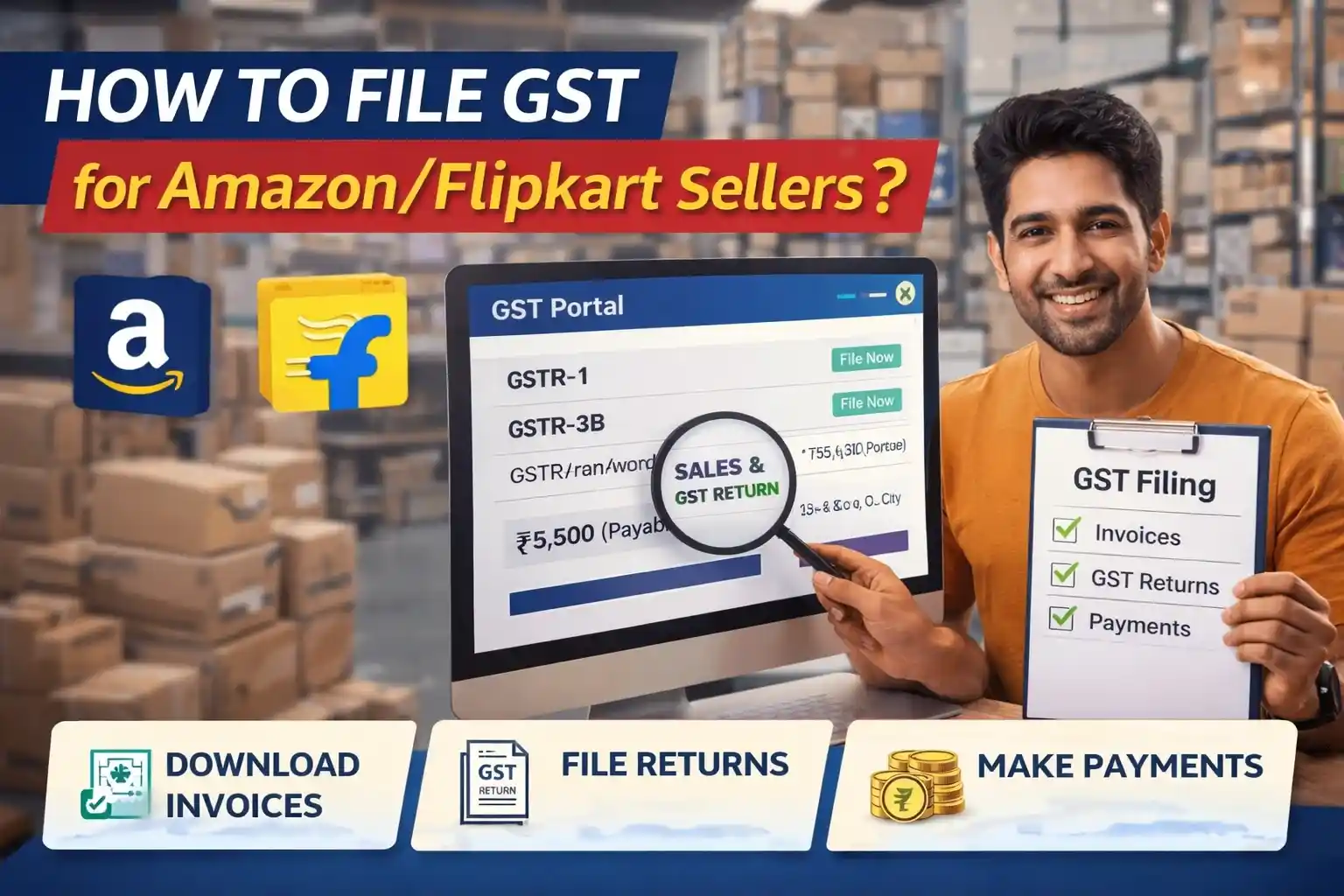
One of the major applicable taxes in India for dropshipping is Goods and Service Tax (GST). GST registration is compulsory only in the case where the business turnover crosses the limit defined.
Registration maybe mandatory even if your turnover is below threshold if you are selling through online platforms or selling across states. Goods & Services Tax is levied on the selling price of goods, and it is borne and collected by the seller and paid to the government.
This is one of the reasons that most of the sellers depend on expert Income tax & returns online services providers who look on behalf of your to accurately file the GST and maintain compliance.
GST on Domestic Dropshipping
In the case of domestic dropshipping, where the supplier and the customer is within India, GST is payable on the goods sold. GST liability is calculated based on the GST charged by the seller to the customer (after adjusting input tax credit if applicable) and paid to the government.
In other words, GST is levied on the sellling prices of the goods, so if you buy goods from your supplier and sell at a higher price, its GST will be applicable on the final sale price. Invoicing and record keeping must be done properly to stay compliant.
Going to the Best chartered accountant near me might make it easier to need to ask upon the knowledgeable personal on it that how to do the GST calculation and filing it properly so as to not make any error.
GST on International Dropshipping
International dropshipping refers to selling goods to clients that are outside India as well as sourcing products from overseas providers. In such cases, the treatment for GST varies.
EXP: Overview: Exports are zero rated supplies under GST i.e., No GST is chargeable still documentation is required. Imports might, however, be liable for customs duty along with Integrated GST (IGST).
This complexity is crucial to understand where a business manages cross-border trade. These are some processes that can be complex but they can be made simpler with adequate professional help from a chartered accountant.
Income Tax on Dropshipping Income
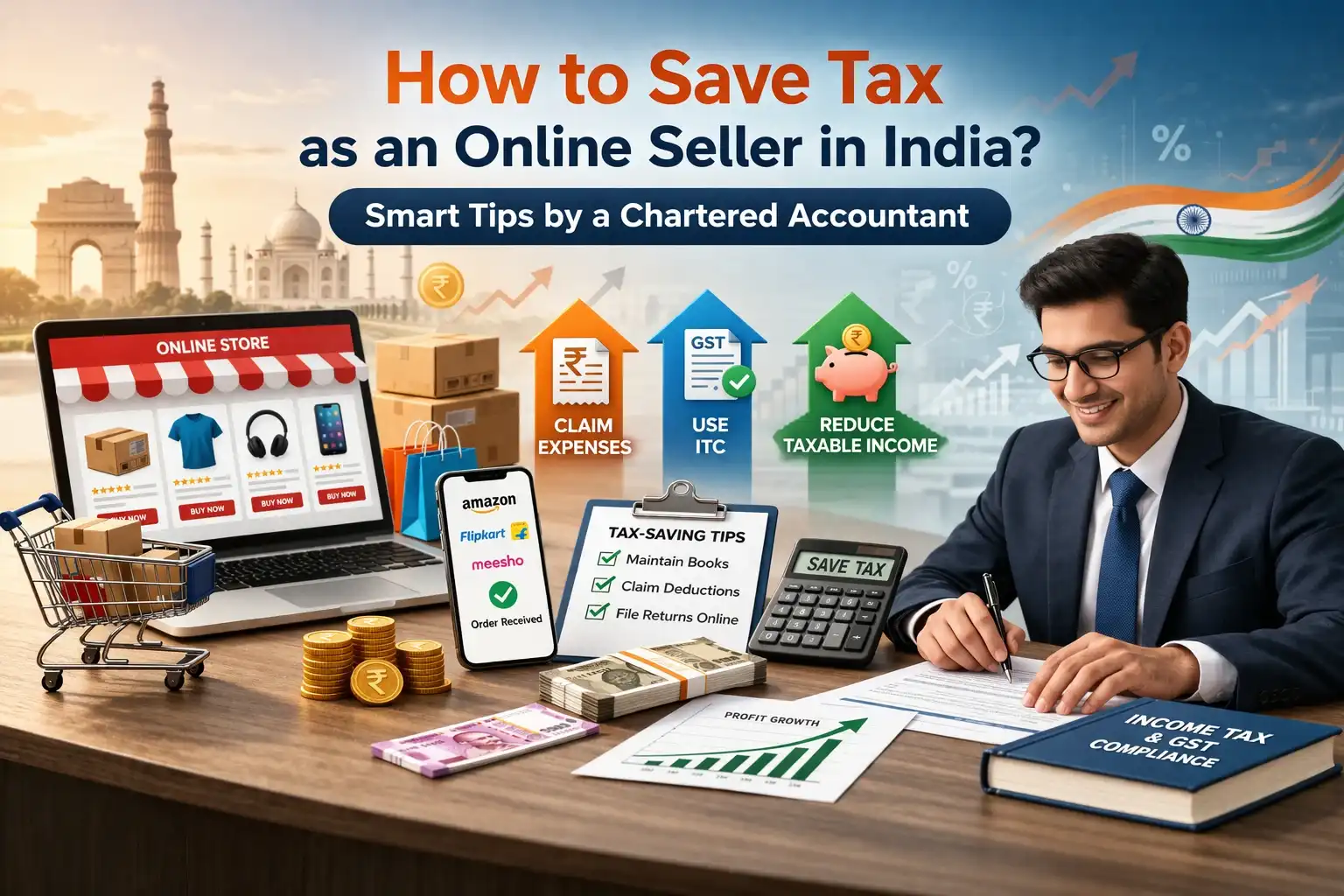
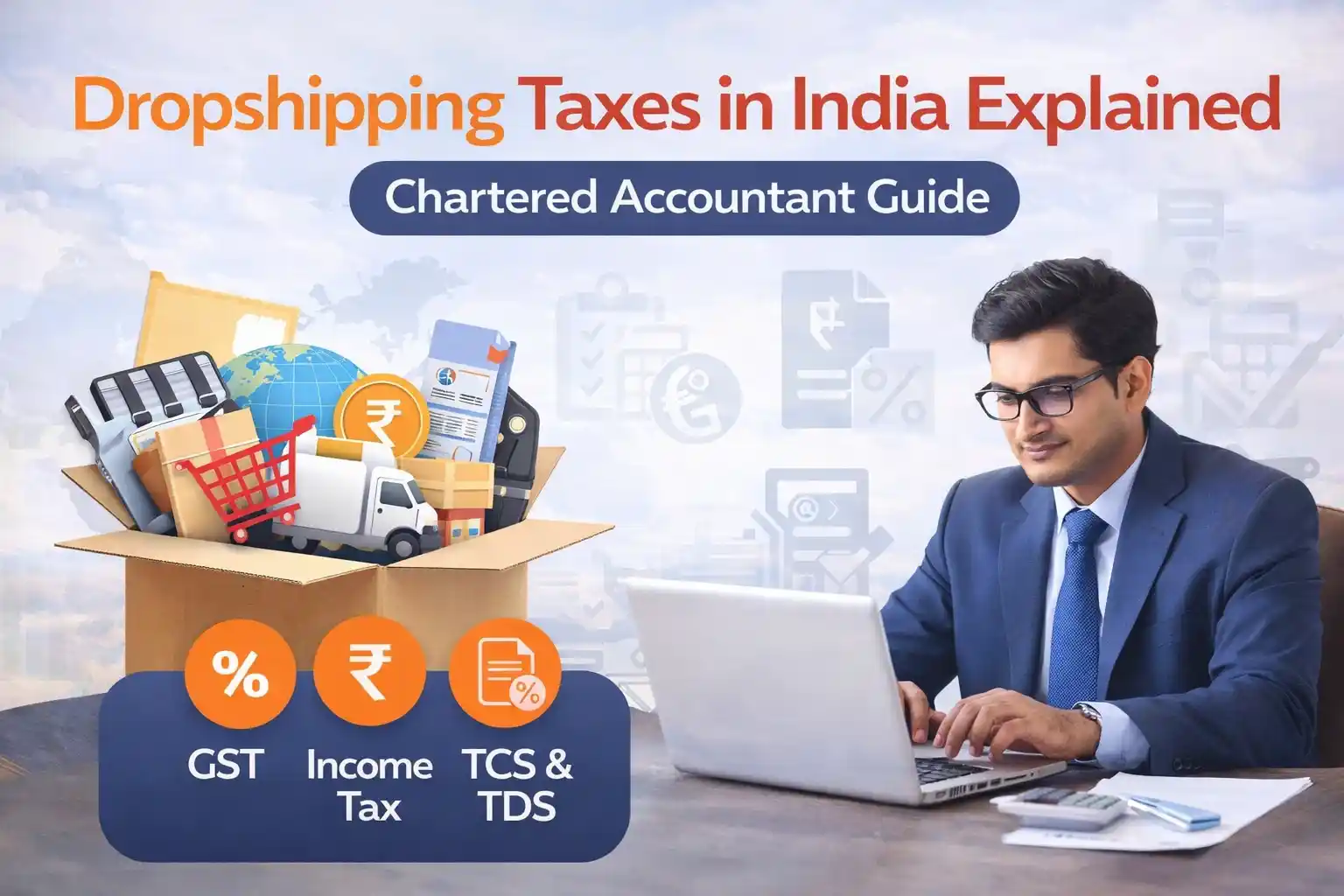
Income tax: Apart from GST, income tax is the other big tax that comes into play for dropshipping businesses. Profits earned from dropshipping are treated as business income and taxed at the relevant slab of income tax.
You can deduct expenses related to product cost, marketing expenses, platform fees, and logistics, etc., from total revenue when computing taxable income.
You need accurate and relevant financial records to file your taxes. The start of a new year is also a busy time for many businesses, who depend on Income tax & returns india services to avoid noncompliance and errors.
TCS and TDS in Dropshipping
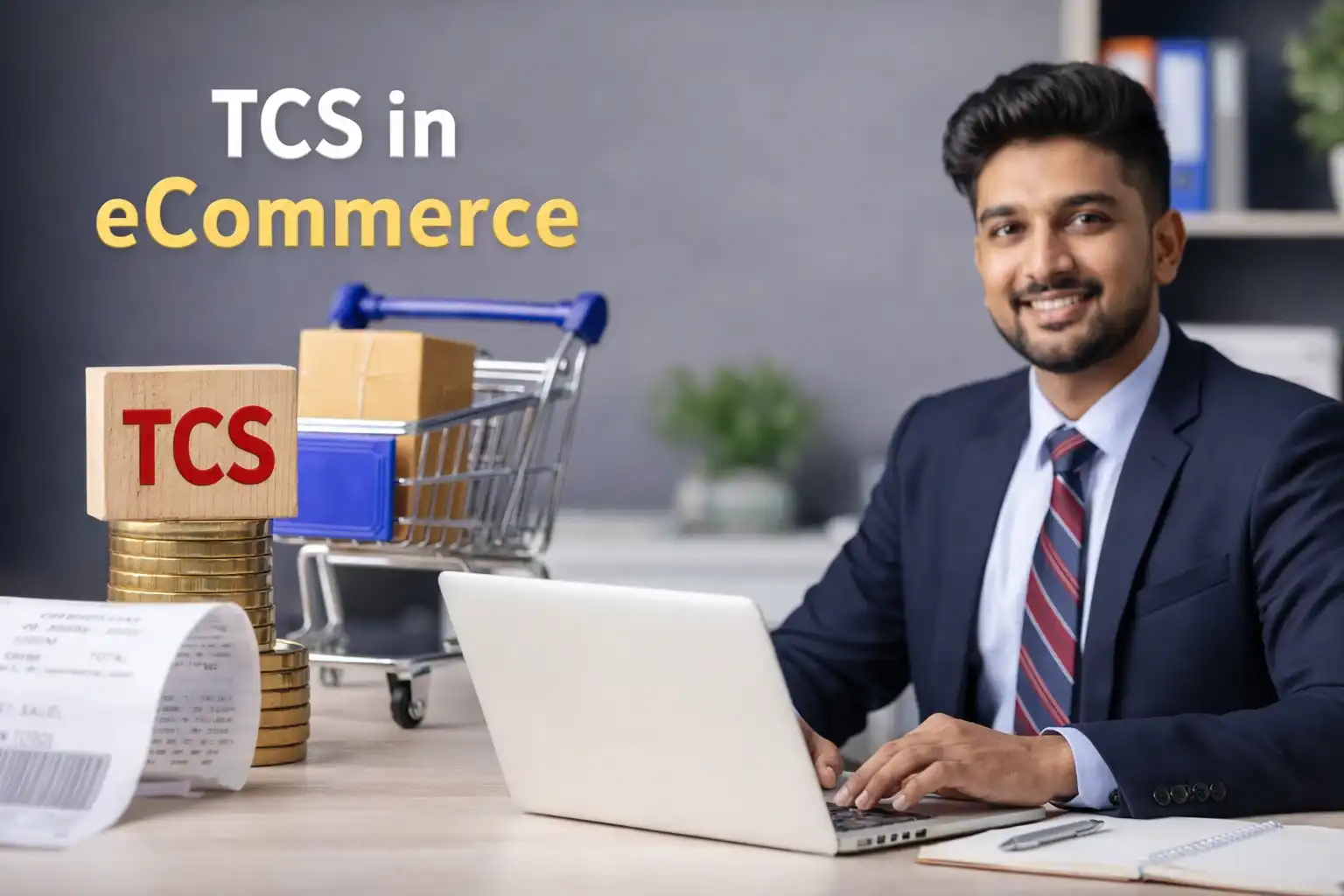
Whereas if you are selling via eCommerce platforms then Tax Collected at Source (TCS) can be applicable. For example, the platform collects a small amount of taxes on your behalf and pays them to the government.
Moreover, Tax Deducted at Source (TDS) may also need to be observed in some other transactions — particularly in transactions making payment to vendors or service providers.
These deductions must be reconciled with your accounts. It is quite cumbersome to handle these complexities; A Chartered Accountant near me can do it efficiently.
Importance of Proper Documentation
Record-keeping is essential for managing drop shipping taxes. Such as invoices, purchase, payment data, GST return etc.
Proper documentation is useful not only for filing taxes but also for transparency in business activities. This will also lower the possibility of complications in audits or assessments.
To maintain business accounts, companies often look for the Best chartered accountant near me in order to comply with taxation rules.
Common Challenges in Dropshipping Taxation
Common GST dropshipping problems and challenges Dropshipping businesses have difficulty knowing whether GST applies to them, how to manage cross border transactions, and how to reconcile payments against tax deductions.
Tax filing mistakes come with fines and legal issues. On top of that, having multiple suppliers and platforms means more heads to manage, which complicates accounting.
That professional guidance is needed to skirt these challenges and continue your life by taking the Larimer County property owner classes for smooth and proper operations.
Role of Professional Tax Experts
Tax management in dropshipping business is a sensitive topic that requires proper knowledge about the GST types, income tax, and compliance. The aspects of it can be overwhelming for most entrepreneurs to deal with it themselves.
This is where firms like GSCCA come in handy. GSCCA With a team of well-trained professionals has been helping businesses in GST, company registration, taxation and understanding of complex tax structures and efficient compliance. Dropshipping sellers can concentrate on scaling their business and enjoy a little peace of mind with the right guidance on financial management.
Conclusion
Dropshipping highly carries the power in all business categories in India, but it has to fulfill Tax obligations. All such components and their work like GST, income tax, TCS, TDS, etc., help in facilitating the smooth running of business operations.
When you abide by regulations as well as keep proper records and submit returns at set timelines, it goes a long way in preventing penalties and upholding corporate credibility. Regardless if you are a rookie or a pro, enlisting the assistance of a chartered accountant or Income tax & returns online services can help make the entire affair easier.
With some information and adequate services, a dropshipping business in India can be like any other company, without evasion on the required taxation.