
GST Compliance for small Business: Everything You need to Know
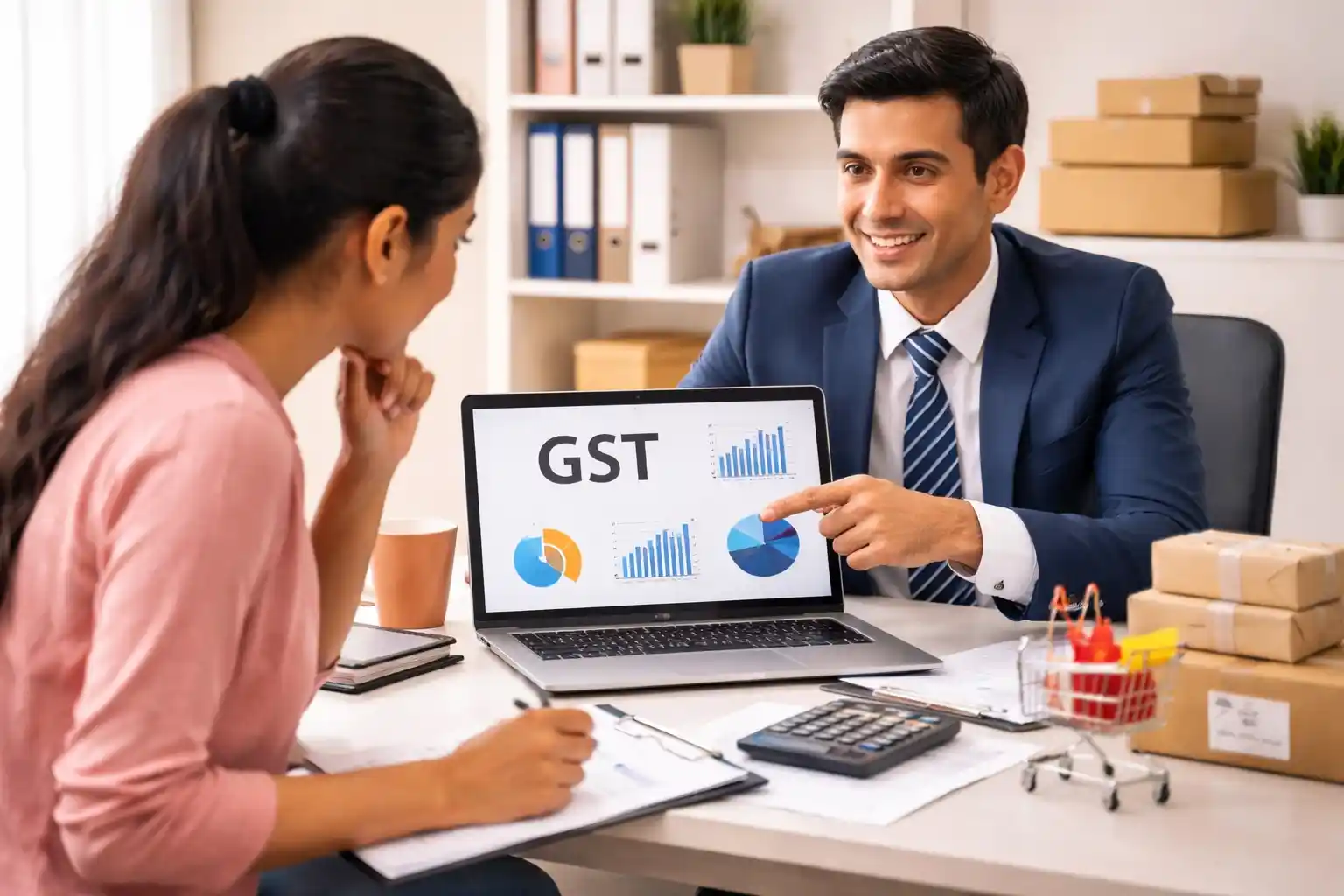
GST compliance in India is the most crucial task for small business owners. Though the GST has unified indirect taxes proposition, it has also ushered in structured reporting, mandatory filings, and stringent deadlines. It can all become a bit confusing for small business owners to grapple with GST rules while trying to bring success to your business on a day-to-day basis. That’s when the expertise of professionals in companies like GSCCA is no less than crucial.
What is GST and how does it matter to small businesses?
GST is a destination based indirect tax on supply of goods and services. It’s not just manufacturers and traders, or service providers — even small startups are feeling the squeeze. When a business exceeds the turnover limit or is covered under compulsory registration, filing GST becomes a legal obligation.
For those of you who run small businesses, GST is more than just paying taxes. It requires invoicing, filing returns, reconciliation and keeping records perfectly. Failure to comply may result in fines, interest and business interruption.
GST Registration and Its Importance
GST registration is the first step to become compliant. A business cannot collect tax from the customer, nor can it claim input tax credit on purchases if the business is not registered. Doing business when registration is required can lead to harsh penalties.
Proper registration also builds credibility. A lot of clients and suppliers choose to do business only with GST-registered companies as it guarantees transparency and facilitates availment of the tax credits. GSCCA supports companies in review and filing process to be registered.
GST Billing Rules That Your Business Needs To Follow
A crucial part of compliance is issuing invoices under the GST laws. A GST invoice should include information like; GSTIN, invoice Number, date of issue and tax rate. Mismatch and loss of input tax credit due to errors in invoicing.
Invoice formatting is ignored by small businesses which leads to problem at time of return filing and audits. Establishing clear invoicing processes from the very start will limit confusion – and make reconciliation much smoother for everyone.
Filing GST Returns on Time
You need to file return on GST alloted time even though you have no business at that period. Deposits and relevant monthly or quarterly returns are to be submitted according to the business classification and turnover.
Late or missed filings draw late fees and interest that add up in a hurry. Systematic filing also allows the flow of input tax credit without any break and keeps compliance record in shape. Public accountants, such as GSCCA keep track of return schedules precisely so that deadlines become non-event.
Input Tax Credit and Appropriate Use
It is the credit that businesses receive for taxes paid on purchases of goods or services. But wrong statements or discrepancy between purchase and sales data may result in reversals and notices from tax authorities.
It is important to keep good records and reconcile often in order to take full advantage of the credits that are available. Credits and GST rules will be checked by account professionals will help small businesses a lot.
Record Keeping and Documentation
According to GST law, every business have to keep entire documents in regards with sales and purchase, expenses as well taxes. These logs are often required to be kept for a period and made accessible for audit or departmental inquiries.
Lack of documentation results in difficulty with compliance during inspections. Organized accounting systems and ongoing reviews enable businesses to be prepared and stress-free.
Small business GST mistakes They keep repeating and how to avoid them
A lot of small businesses have problems around GST because they don’t know rather than wanting to rort the system. Typical issues are inaccurate rates of tax, late submissions, absence of invoices and invalid credit claims.
These errors could draw notices and penalties that make a negative impact on corporate image and cash movement. Early professional advice recognises and rectifies errors before they become expensive.
What is the role of Chartered Accountant in GST Compliance
For small businesses without the resources, managing GST in-house can be a struggle. A CA is all about the Expertise, Precision and Assurances. Tax registration, returns, audits or notices –professional assistance for complete compliance.
GSCCA team assist small businesses in easily navigating through the GST, mitigating risks and maximizing tax efficiency.
Staying Updated with GST Changes
GST law and rules incorporating updates through notifications and circulars. Small business owners have a hard time staying abreast of these changes while running their businesses.
Professional service firms stay diligent in their quest to keep up with regulation changes and adapt processing as needed. This has the added benefit of insulating companies from surprises.
Final Thoughts on GST Compliance
GST is not just a Compliance it’s an opportunity to sustain and grow business Types of GST When administered well, it encourages financial discipline, enhances credibility and avoids unnecessary penalties.
Small businesses that get the GST basics right from day one save themselves time, money and stress down the track. With the help of professionals of GSCCA, you can worry about growing your business and leave compliance to the experts such as them.