
Founding a Company in India as an NRI : Legal and Tax Checklist
Starting a company in India as an NRI is an exciting prospect and you will be granted access to one of the fastest-growing economies. With the correct guidance, NRIs can leverage a booming market, strategic business location and growing consumer demand. But to be leg we, you need all the compliance, documentation and regulatory knowledge to go through India’s legal system and tax structure. GSCCA breaks down the critical legal and tax checklist for NRIs who are planning to set up a company in India.
Knowing Both NRI Status and the Business’es Eligibility
NRI refers to Indians who are residing in foreign countries for education, employment and other reasons as per the eligibility criteria prescribed by Reserve Bank of India (RBI). Before you start registering a company, Check yourself whether non resident indians are eligible to own business. Non-Resident Indians (NRIs) are allowed to set up different categories of the companies in India such as private limited company, public limited company and LLP. Every building has its own set of regulatory and compliance issues. Choosing the most fitting business format affects: incorporation laws tax duties requirments for filing and governance law.
Choosing the Right Business Structure
Selecting the appropriate form of business is critical to success. 1) Private Limited Company It is the most suitable option in case of NRIs since it has separate legal entity, limited liability protection and an ease with respect to fund raising. A public limited company is appropriate for companies with large operations and desire to have their share listed in the stock market. They offer professional services and SMEs the flexibility of a partnership with limited liability. It should correspond with the volume of business, economic requirements and future expansions expansion. We recommend you take advice from a pro chartered accountant at GSCCA if you are not sure on which business structure will provide most operational fit and tax efficiency.
Legal Compliances and Process of Company Formation
The company incorporation procedure starts with obtaining a DSC for the proposed directors and DIN. After completing the above formalities, you can reserve for your desired company name at the Ministry of Corporate Affairs (MCA) portal. Once the name is approved, MOA and AOA need to be prepared and filed with necessary incorporation forms. A certificate of incorporation application is thereafter filed with the ROC. Post-registration, a Corporate Identification Number (CIN) is allotted to the corporate entity.
It is a matter of critical importance that each documents submitted has to be accurate, complete and valid as per Indian regulations. Mistakes made during the incorporation process may create unnecessary headaches or legal trouble. GSCCA has a dedicated document preparation and submission team in place to help with processing including follow-up work directly with regulatory agencies – minimizing potential mistakes.
RBI APPROVALS AND REGULATIONS FOR FOREIGN INVESTMENTS
Source NRIs must operate their accounts within the regulations of foreign exchange in India under FEMA which is Nature of Repatriation Mode Restrictions on Joint Account How to open the account Interstate Movement Some other points FREE Consultancy: Active Trading Account and NRI Rs. Following the inclusion of India’s NRIs under FEMA, they would be allowed to invest in Indian companies through automatic or government route, depending on the sector. This may stoke investment as the government is luring FDI to boost industry and create jobs after economic growth plummeted during the coronavirus pandemic. “Most sectors will now be open to FDI via the automatic route,” a finance ministry statement said, referring to the mechanism by which investors do not need prior approval so long as their investment falls within sectoral norms.
However, some such as defense, telecom and banking have sectoral caps or require government approval. It is important to understand the FDI policy and also ensure compliance with sectoral regulations. GSCCA’s professionals are well informed about RBI and FDI policy amendments and advise NRIs in structuring the investment in a compliant and tax efficient mode.
Tax Registration and PAN Requirements
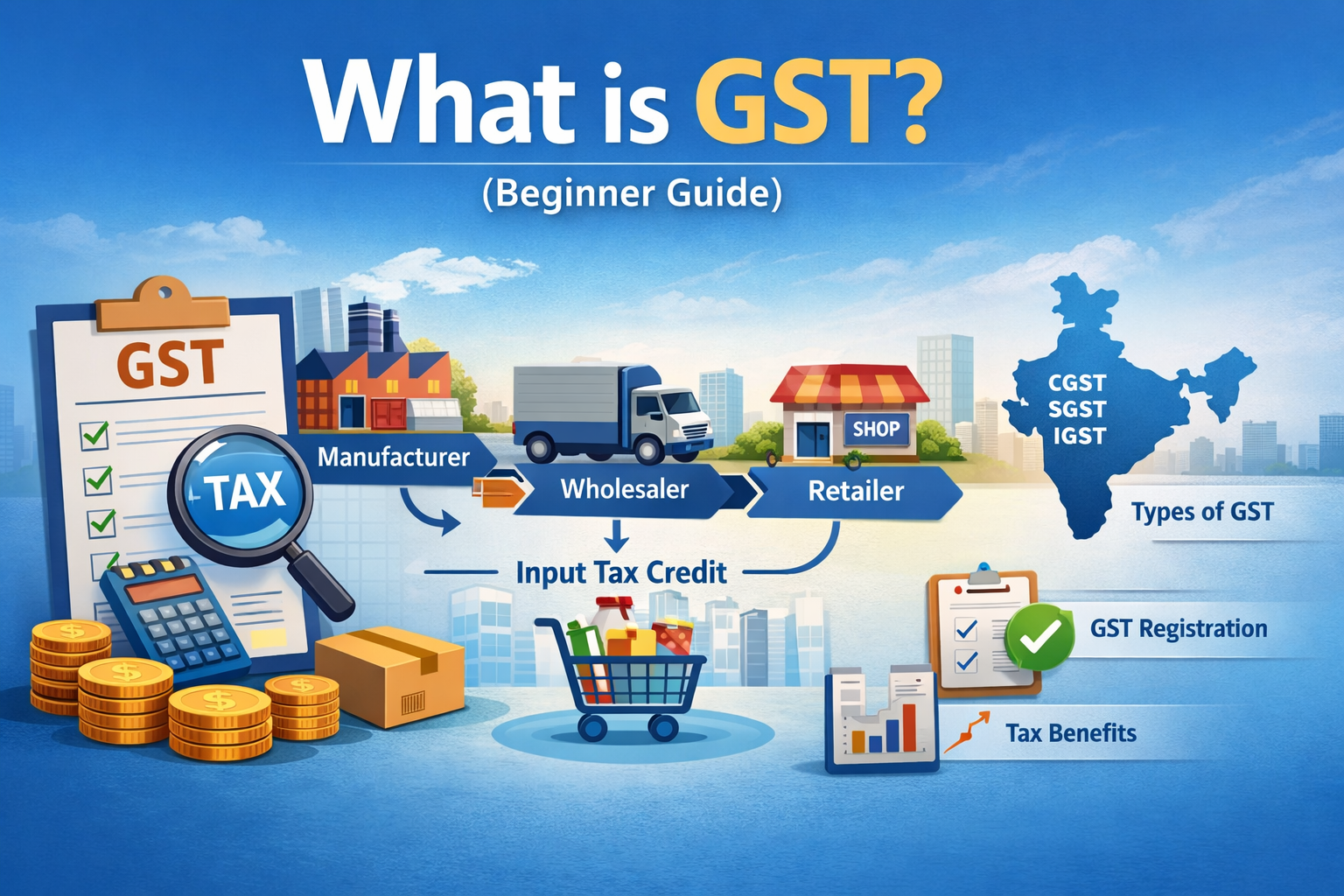
For doing business in India, it is essential to acquire a PAN number (Permanent Account Number). A PAN is necessary when you file your taxes, open a bank account or carry out other financial activities. They can also apply for a PAN with the help of chartered accountants. Companies should also register under Goods and Services Tax (GST) if the turnover crosses a certain limit in a year or businesses involved in inter-state supply of goods or services.
Other types of registrations like Import-Exporter Code (IEC) or shop and establishment certificate is also required by businesses engaging in a specific domain, such as import-export houses, restaurants and ecommerce companies. An all-inclusive consultation by GSCCA is performed to obtain all required registrations before the company commences its operations.
Taxation Framework for NRI Companies
It is very important for NRIs who want to start a business in India to understand how Indian tax system works. Indian corporations are taxed on their worldwide income, subject to relief under treaty and domestic law. The corporate rate tax is graduated by type of corporation and whether the corporation elects lower tax rates in certain cases. The way to repatriate profits and dividends is a matter of careful planning for NRIs. Withholding tax may be imposed on dividends paid to non-residents. Fortunately, the Double Taxation Avoidance Agreements (DTAAs) that India has in place can be used to reduce the incidence of double taxation on foreign sourced income.
Moreover, MAT and dividend distribution tax are also applicable to companies based on level of profits and dividends issued. An effective tax planning helps the NRIs to make an informative choice and address potential liabilities toward Indian taxation.
Accounting, Audit and Annual Compliance
So when you are up and running, it is important that you keep good records, especially financial ones, and that you also comply with the law. Indian entities need to maintain annual financials, undergo an audit which is checked by a statutory auditor and file an Annual Return with the ROC. GST returns, TDS filings and regular deposit of tax are also part of the compliance.
Besides avoiding sanctions, on-time compliance builds credibility with banks, investors and partners. We at GSCCA do it all, from book-keeping and tax returns to audit preparation and statutory compliances.
Repatriation of profits and returns on capital
Non-resident Indians (NRIs) can also repatriate profit or dividends back to their current country of residence. For repatriation of funds, one needs to follow FEMA regulations and RBI guidelines. Dividend payment is made net of withholding tax as per investor’s residency and relevant DTAA. When planned appropriately, repatriation can be structured in a tax-efficient way to achieve your desired results while remaining within the boundaries of regulation.
Conclusion: Team Up With GSCCA for Hassle-Free Installation
There is lot of potential in establishing a company in India for NRIs but it also demands planning from legal, financial & tax perspectives. From choosing the right entity and filing, to compliance issues, tax filings and beyond — each one must be managed using professional advice. GSCCA provides customized Accounting, Taxation and Compliances services suitable for NRIs business setup in India at all the stages. With expert counsel, you can proceed through complicated regulations with ease and work to expand your business in one of the most exciting new markets in the globe!