
Overview of Taxation Related to Startups in India
Startups in India run an organized tax system with various tax types functioning according to the business structure, size, and activities of the business. Though, nowadays with the introduction of Income tax & returns online systems by the government, compliance has become easier, but you should know that there are different heads of tax that apply to startups. Tax planning correctly means never having to worry about keeping the right side of the law, and never having to worry about incurring a penalty and ultimately landing in deep financial trouble.
Income Tax for Startups
Income tax is one of the major taxes that startups need to pay. Tax is imposed on the gains that the business makes in the concerned financial year. And the tax rate varies as per the entity type; for example a Private Limited Company, LLP, or sole proprietorship.
Registered under government scheme, start-ups may be given a limited period of tax exemptions. Nevertheless, it is still obligatory to comply with filing obligations. It is advised that one should consult a chartered accountant for the accurate calculation and filing of these taxes.
Goods and Services Tax (GST)
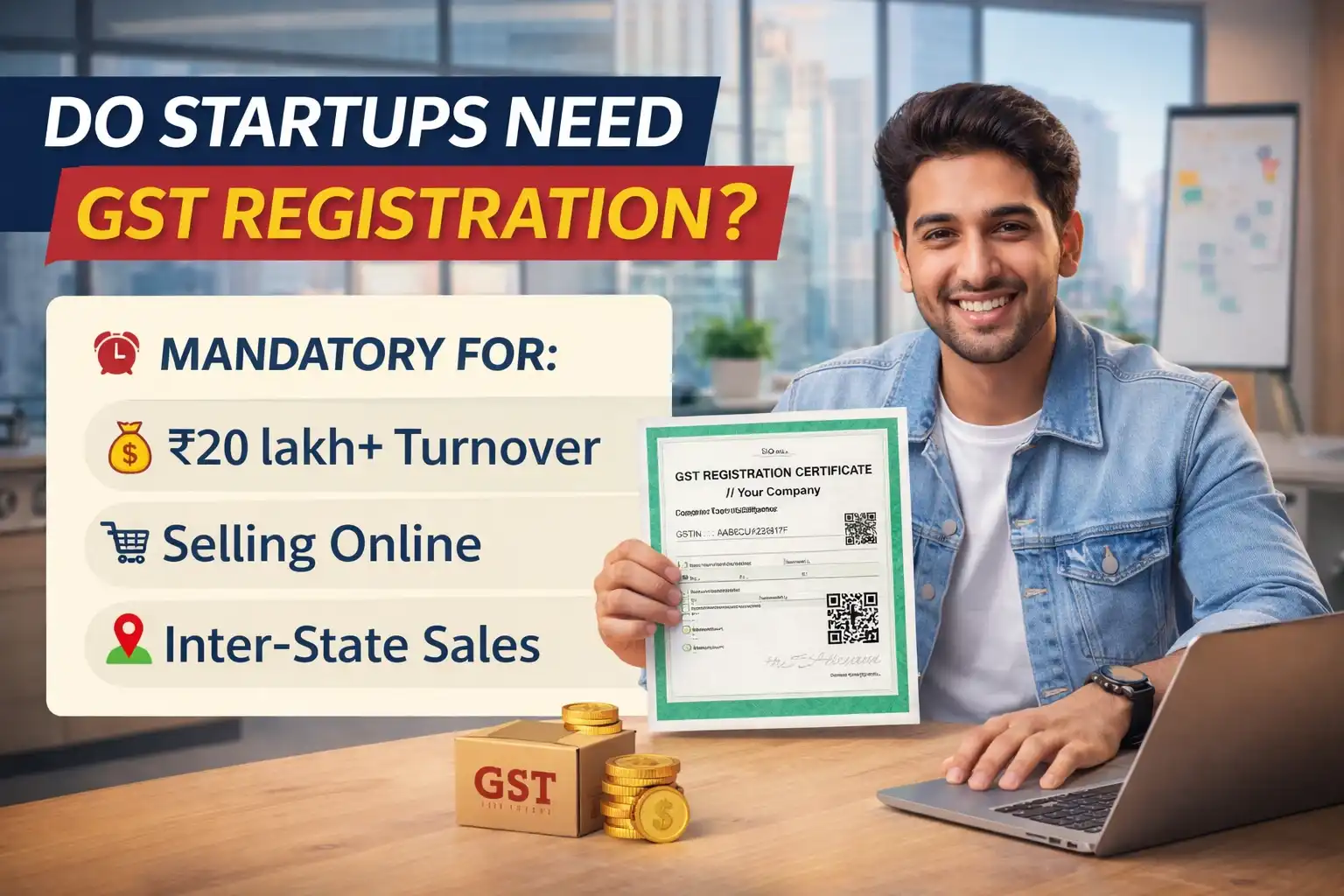
GST is applicable for startups providing the supply of goods or services. Once the turnover threshold limit is crossed or if the business falls under the specific sector, the registration under GST will be required.
After registration, startups have to file GST returns on a regular basis and keep accounts of the transactions. There are also platforms like Income tax & returns india that have made filing more fluid, the reputation of what you report is still imperative.
Tax Deducted at Source (TDS)
When a startup releases payment for specific items (Salary, professional fees, rent, or contractor payments), he/she is liable to deduct the tax at source. The deducted money should be deposited to government on time.
Apart from deduction and deposit, TDS compliance also includes periodical filing of returns and issuance of certificates to the receivers. Non-compliance of TDS will lead to penalties.
Professional Tax
Professional tax is a state currency hitting employees and employers in specific states. This tax is deducted from the salary paid to the employee by the employer and is deposited with the state government.
Professional tax varies by state in which the startup operates in, both in terms of applicability and rates.
Employee-Related Taxes and Contributions
For instance, startups with hired employees will need to fulfil employee-related statutory requirements like Provident Fund (PF) and Employee State Insurance (ESI), if applicable. These are not, strictly speaking, taxes — but they are required payments that are treated as taxes for the purposes of compliance.
When they are not managed appropriately, it can lead to legal issues and disputes.
Advance Tax Obligations
If startups believe their tax liability will go over a limit they need to pay advance tax. Advance Tax is paid in instalments during the financial year instead of a lump-sum payment at year-end.
On-time advance tax payment helps you to avoid being charged interest and better financial planning.
Minimum Alternate Tax (MAT)
Some companies need to pay Minimum Alternate Tax (MAT) in case their tax computed under the regular provisions is less than the minimum prescribed. This ensures that profit-making enterprises are still paying their fair share of taxes.
Startup founded as companies must know MAT Applicability
Startup Tax Exemptions and Benefits
Eligible startups can get tax benefits under various schemes of the Indian government. And such benefits may involve exemptions from income taxes for a certain period of time, if a specific qualification is achieved.
Even though these incentives alleviate the tax burden, startups are still obligated to file and report. And so it on and so the guidance from the Best chartered accountant near me is something that is often sought after to ensure eligibility and compliance.
Importance of Accurate Tax Filing
Filing the taxes accurately is important to remain on the radar of laws and avoid legal issues. Notices and Penalties Due to Income Reporting Errors
Income tax online & returns online, these words have made the entire process seem simpler with digitization in the scene, however, the complex nature of financial data leaves no other way than seeking professional help to avoid mistakes in the results.
The Importance of Professional Help in Tax Compliance
For startups, meeting these multiple tax obligations can be a difficult process, particularly in the early stages. This is where a certified chartered accountant comes in highly handy to assist in identifying tax obligations, drafting tax returns, and meeting statutory charges.
Companies such as the one GSCCA, got knowledge about GST and company registration help start-up by solving tax rules. This structured approach allows businesses to grow and scale while remaining compliant.
Why Startups Prefer Expert Guidance
Entrepreneurs neither like to pay taxes nor like to manage them which is why they may consult a Chartered Accountant near me for tax-related works. Getting professional help ensures that you do not make mistakes and that everything is done on time.
This is an easy and viable solution for startups to function conveniently without being caught in such convoluted compliances.
Conclusion
There are multiple taxes in India for startups like income tax, GST, TDS, other statutory obligations. Knowing these requirements is necessary to ensure compliance to them, and sustainable growth in business.
Startups are able to manage their tax obligations with guidance from seasoned professionals such as GSCCA. With the right approach to taxation supported by accurate filing and routine adherence to Income tax & returns india regulations, one can build an empire that lasts long.