
Why Do Most Startups In Delhi Fail Financially And How A CA Can Help?
Thousands of ambitious, innovative and fast-growing startups stem from Delhi. Tech startups, digital agencies, retail brands and service based businesses – the battle grounds are wide ranging. But for all the razzmatazz, they hide a harsh truth. So many startups in Delhi go bust, not because their ideas are poor but because they can’t handle money. They will quickly snowball in a young business and with no guidance, it’s tough to recover from them.
Starting Without Financial Direction
Startups often start with a lot of energy and vision but little money direction. While launching products, customers or getting visibility are what founders often bring their attention to, it is the long-term planning along with budgeting that they lose focus on. Costs grow faster than revenues, which take time to mature, and soon the business isn’t performing a balancing act between cash inflow and outflow.
A Chartered Accountant assists startups get off to a clear financial foundation. Startups can take control of the finance side of their business and can better manage a growing company by budgeting, forecasting and cost planning.
Cash Flow Strain: Growth Hindered
Mismanaging cash flow is one of the leading causes why startups fail financially. And businesses that seem sound on paper can still fail if cash isn’t there when it’s needed. Founders are under constant stress due to delayed payments, huge fixed costs and no cash reserves.
A CA is driving the following: regular monitoring of cashflow, structured invoicing systems and disciplined control over expenses. It’s with professional oversight that start-ups are able to remain liquid and be in the business of growth rather than on a lifelong journey for survival.
Tax and GST Errors That Become Expensive
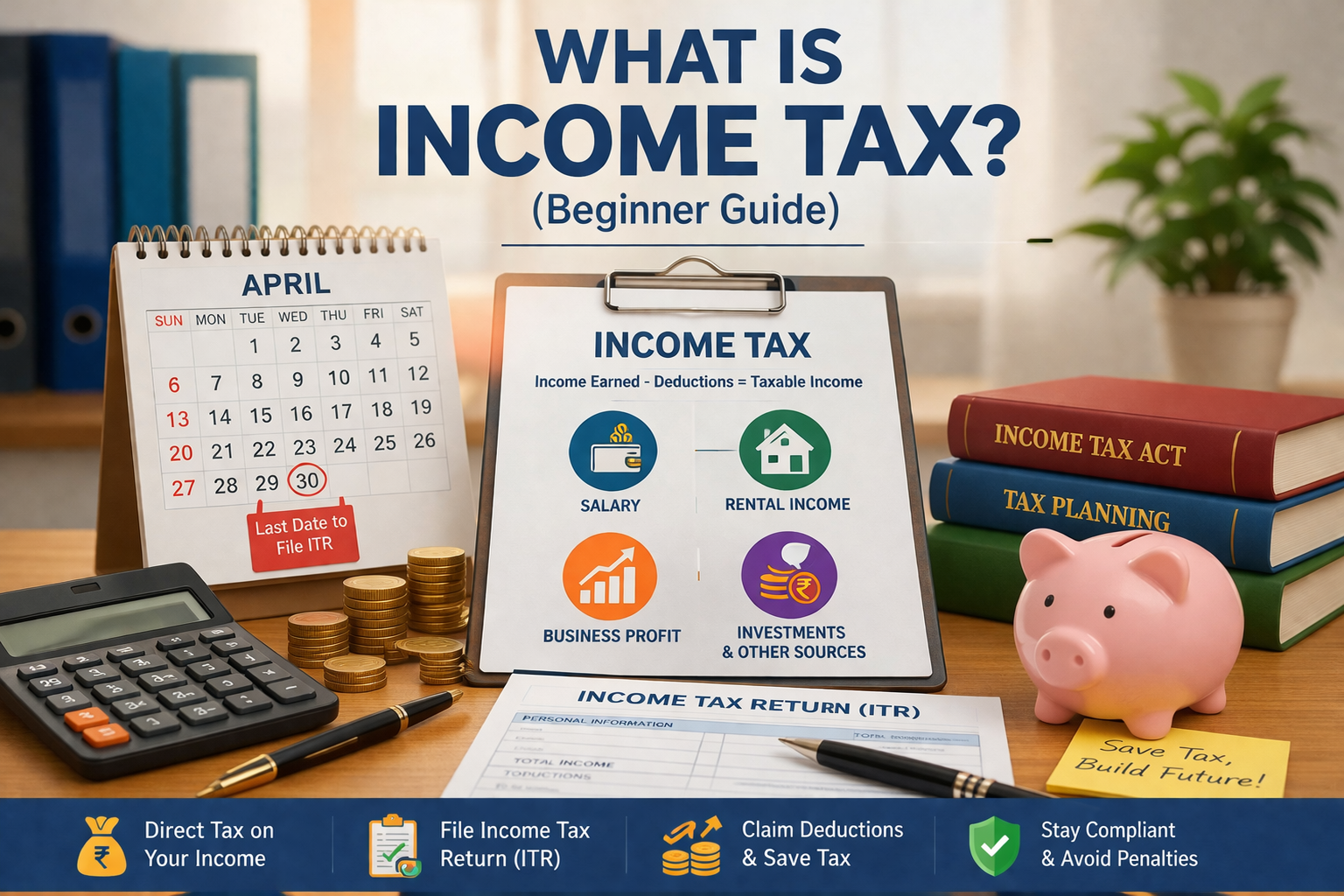
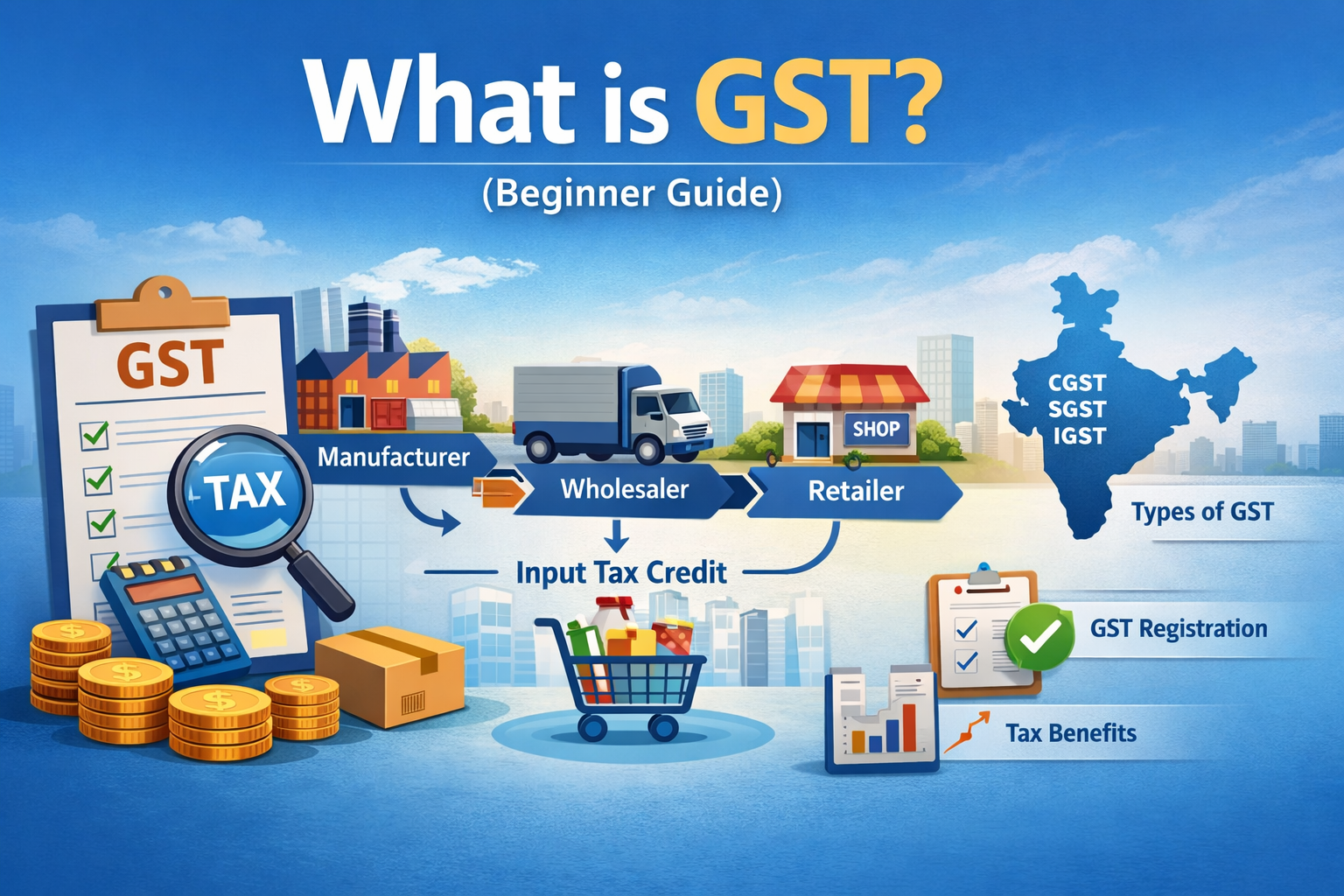
Tax and GST compliance is the most often underestimated by startups. Lost filings, wrong returns and absence of backing documentation result in penalties, interest, and letters that eat away at your bank account. Most Delhi startups are hard hit by compliance concerns that were avoidable.
A CA is responsible for GST returns on time, income tax filing, TDS compliance and documentation execution. Staying in compliance doesn’t just help you avoid penalties, but it helps investors, banks and partners trust your firm.
Murky Books and Bad Bookkeeping
Organizatons can get away with using simple spreadsheets or ad-hoc accounting early-on. This in turn leads to a lack of clarity when it comes to profitability, costs and obligations. Without proper records, founders are operating on assumptions rather than facts.
A CA designs for you professional accounting systems that allow your business to have a view of financial information at anytime, anywhere. Clean, organized accounting is also crucial in helping startups realize where the money is going and what they need to improve on.
Spending Too Much, Too Fast Without Measuring Impact
Lack of tracking and too much spending both fast is another big reason startups fail. Often marketing spends, hiring and technology decisions are not analysed for return on investment. The result is high burn rates and quickly emptying bank accounts.
One of the first set of roles a CA performs is helping startups monitor spending efficiency, understand performance and dialing burn rate. Founder can scale with a purpose and without burning capital blindly with the right financial analysis.
Weak Pricing and Margin Planning
Pricing is why a lot of startups die, because they’re not reflecting the cost of their service. Selling below cost in order to gain customers or failure to consider indirect costs= loses forever. This anemic price structure results in sustaining business becoming impossible.
A CA helps startups construct pricing models by calculating costs and considering the market conditions, profit motives, etc. Correct pricing that allows the company to be competitive without damaging its fiscal condition.
Inadequate Reporting of Financial Information for Decision Making
Startups that don’t analyze financials regularly are flying blind. Decisions about growth, hiring, or investment are made in the dark about who is actually doing what. This blindness also leads to greater financial risk.
CA prepares formatted financial statements, profit deductions and analysis of performance. This knowledge enables founders to decide with data instead of guessing.
Ignoring Legal and Regulatory Changes
Tax rules, compliance and reporting laws are subject to change.Head over to IRS.gov for the latest rules. SMBs that don’t adjust face fines and operational hiccups. Many founders are busy enough running their business that they don’t have time to follow changes in regulation.
A CA is up to date on legal and regulatory amendments, implies that the startup continues staying compliant on an ongoing basis. This preemptive action shields businesses from sudden financial surprise.
How a CA Fosters Long-term Startup Success
A Chartered Accountant is more than a compliance officer; (s)he is a business advisor! Extending from registration/compliance and accounting setup to taxation, reporting and advisory, CA services cater startups in all growth stages. At GSCCA, startups are given financial guidance that has been tailored and organized to mitigate risk and ensure sustainability.
Professional CA support increases financial discipline, confidence of the investors and ensures startups can scale sustainably.
Final Thoughts
Most of Delhi’s start-up failures are avoidable. The problem is not that money problems are incurable, but that people do not plan, obey the rules of money and seek professional expertise. With good CA support, startups can stay on top of their cash flow, remain compliant, make informed decisions and grow sustainably. Opting for the professional accounting and CA services right from the initial days is one of the wisest decisions a start-up can make to ensure its future.