Before you begin to do business with a new supplier, distributor or business partner you need to check out what type of GST compliance record they have. Having a GST registration does not necessarily mean that the company files their GST returns regularly. Therefore, you will be able to tell if they are in compliance by looking at how long they have had the ability to file. By doing this you can help yourself make better decisions about who you want to do business with and you may also find that there are some compliance issues that need to be resolved.
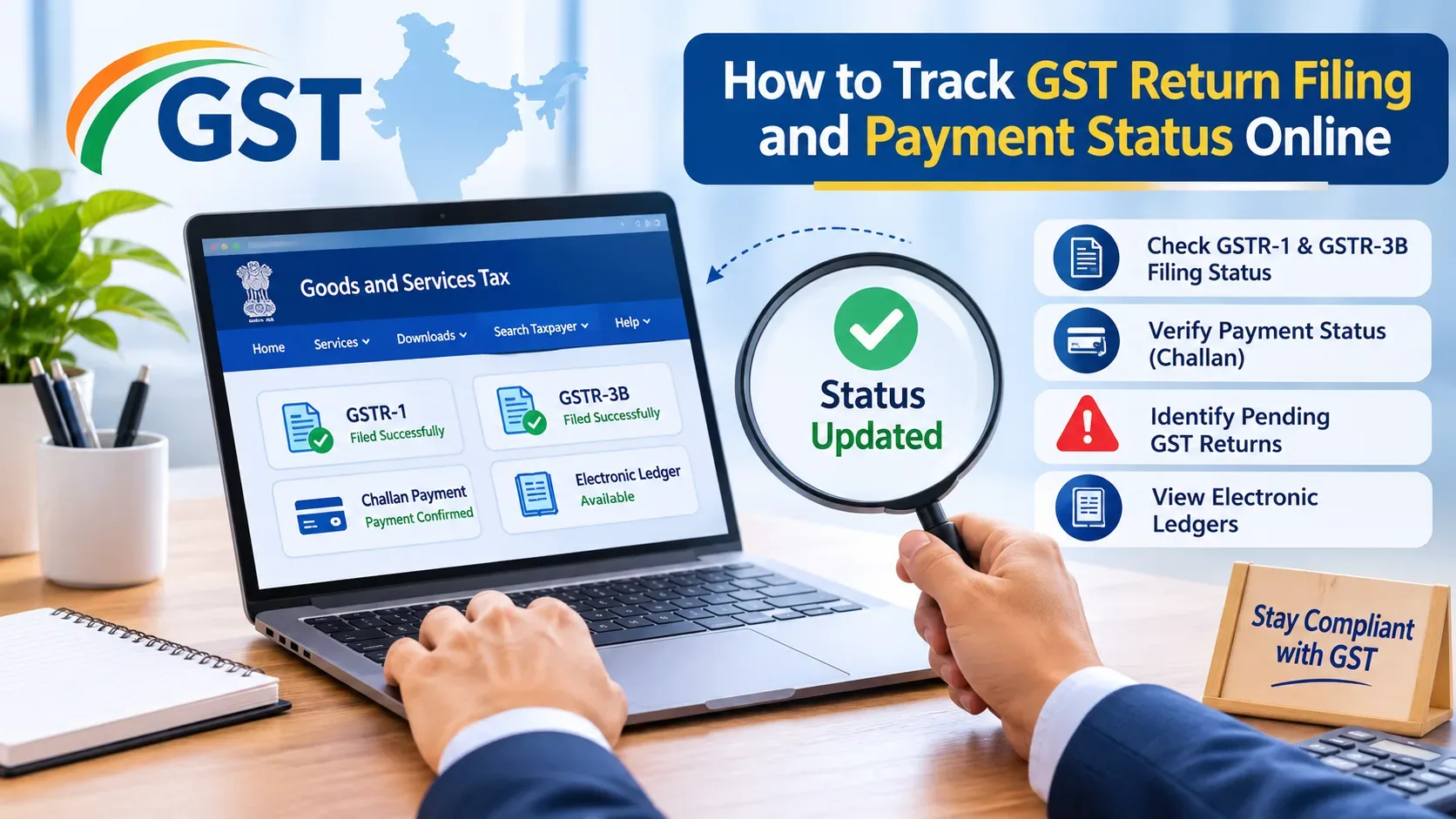
The GST portal is a public resource that allows users to look up the status of a registered taxpayer’s return filing using the taxpayer’s GST Identification Number (GSTIN). This will help you determine if a particular business has completed all of its required return filings for the specified time frames on the portal.
If you would like to find out whether an individual has filed their GST return, this is how you can do it.
Why Should You Verify Someone’s GST Return Filing History?
GST Return Verification is an especially beneficial tool when working with suppliers and vendors. Filing returns on a regular basis allows businesses to remain compliant with the relevant GST laws, while also assisting in the proper reconciliation of transactions.
Supplier compliance is an essential part of the buying process, as the buyer’s ability to claim Input Tax Credit (ITC) will depend upon many factors specified in the GST law. Examples of these factors are reporting of invoices, providing relevant details and meeting other statutory requirements. When a supplier fails to report transactions correctly or delays filing of returns, this can cause reconciliation problems for the buyer.
Therefore, checking a business’s GST filing history will provide an indication of possible issues that may arise with respect to the business’s accounting and tax reporting.
How to Check If a Business Has Filed GST Returns Using GSTIN?
The official GST portal (open to public) which provides the users information on tax and returns. This information can be viewed without logging into GST portal.
Official GST Website Visit
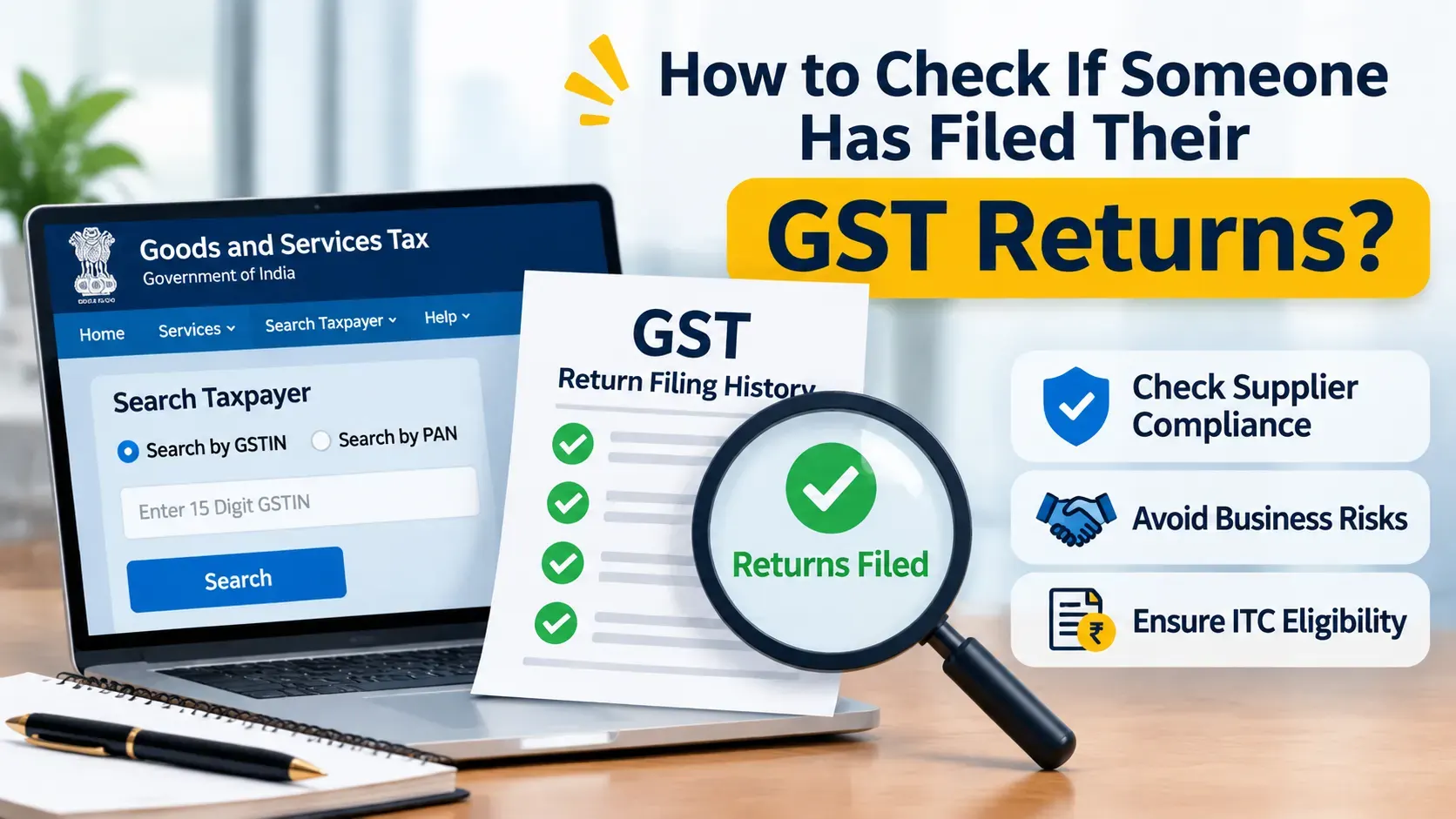
Go to the official GST site www.gst.gov.in. Click on the home page on “Search Taxpayer.” This feature is intended for users who want to search for information about a registered tax payer.
Provide the Business GSTIN
If you want to validate a GST Identification Number (GSTIN), you can select the Search by GSTIN option from the website. Enter the 15 digit GSTIN of the Supplier, Company or Taxpayer you wish to verify. Please ensure that the GSTIN entered by you is correct otherwise the search will not return any result or it will show details of some other registered entity.
Captcha Verification Complete
Type the CAPTCHA above, and then click “Search”. Now, all the relevant taxpayer details against the entered GSTIN will be displayed on the GST portal.
Taxpayer Registration Details Validation
The search will typically show the legally registered business name, the business’s trade name, the GST registration status, the registration date and taxpayer type. Check this information against the GSTIN to ensure it is for the business you are attempting to verify.
Open the GST Return Filing Table
To see the different types of returns filed, what year those returns were for, when they were due and when they were actually filed, you can look for the “Show Filing Table” option in the taxpayers details. Once you select this option, the system will provide a list of returns that have been filed.
This is how you will be able to determine what GST returns you’ve completed, and which ones may need more work.
What GST Return Details Should You Check?
Knowing the reason for filing of each type of GST return can help you determine whether your supplier is complying with the GST requirements or not.
GSTR-1 is a report of all outward supplies made by a registered tax payer. When you look at the filing history of GSTR-1, you will be able to see if the supplier has filed the appropriate sales returns for the displayed time periods.
The GSTR-3B is a summary return where taxpayers can declare what they owe in terms of GST and pay any required taxes. The filing history for this return will also be a good indicator of the level of return compliance by the taxpayer.
The other tax returns that exist are GSTR-4 (for composition taxpayers who meet certain criteria) and GSTR-5 (for non-resident taxable individuals). These returns are used by specific groups of taxpayers.
The type of return required depends upon the taxpayer’s registration status and his/her obligation to file a GST return.
Does an Active GSTIN Mean That All Returns Have Been Filed?
No. These are two separate aspects of compliance. A business may have a valid (active) GST registration, yet be behind on filing its returns.
Similarly, viewing a filed return does not itself show that every single transaction is reported accurately and that there is no remaining liability for taxes. Businesses should make sure they are keeping their filed return with their invoices, GSTR-2B, and any other relevant document prior to making compliance decisions.
What If Your Supplier Has Not Filed GST Returns?
When the records show that a supplier did not file its required tax returns on time, examine the corresponding purchase invoices and compare those invoices to your company’s accounting records and the GSTR-2B.
As well as asking the supplier what caused the delay and to obtain more information about it. However, do not assume that you will be eligible for ITC based solely on the fact that your supplier has delayed delivering goods or services. There are other factors to consider (GST rules, types of transactions, etc.), which will determine whether you are eligible for ITC.
Professional guidance can assist businesses to assess possible tax effects and determine what actions should be taken as a result.
How GSCCA Supports GST Compliance for Businesses
Grover S & Company (GSCCA) provides assistance to businesses in regards to GST registration, filing of GST returns, reconciliation of GST, matters concerning Input Tax Credits and all other GST related compliance issues. Regular review of tax records and management of GST return filings is necessary.
By receiving expert guidance on how to manage their GST responsibilities, review the documentation used for tax filing purposes, and keep track of all other tax-related documents in an organized manner; companies can have a clearer understanding of what is required from them.
Conclusion
When evaluating the compliance history of a potential supplier or business partner, reviewing their GST return filings can be a helpful tool. Through its “Search Taxpayer” feature on the GST Portal, users may access publically available filing data by searching with a GSTIN.
Consistent approaches to GST compliance may assist businesses with maintaining correct records and reducing unnecessary tax-related issues.