A manufacturing company has a lot of things to take care of — from purchasing raw materials, to producing goods, to delivering those goods to your customers. There are numerous other responsibilities that a manufacturing business owner must manage each day, such as understanding what kind of taxes he/she will have to pay. That is why having a good understanding of GST Registration for Manufacturers can be very beneficial.
Regardless of whether you produce furniture, clothing, packaged food, electronics, or industrial products, understanding what the GST laws are for your business will make managing finances easier. Understanding the correct registration requirements from day one will also help prevent any unnecessary confusion when your business grows.
When Does a Manufacturer Need GST Registration?
Not all manufacturers require the same registration process. The decision whether a company should be registered for GST will be based upon several variables including the total amount of sales per year (annual turnover), what kinds of products are being sold by the company, where the company is located within the country, and any additional rules that have been established through the use of GST legislation.
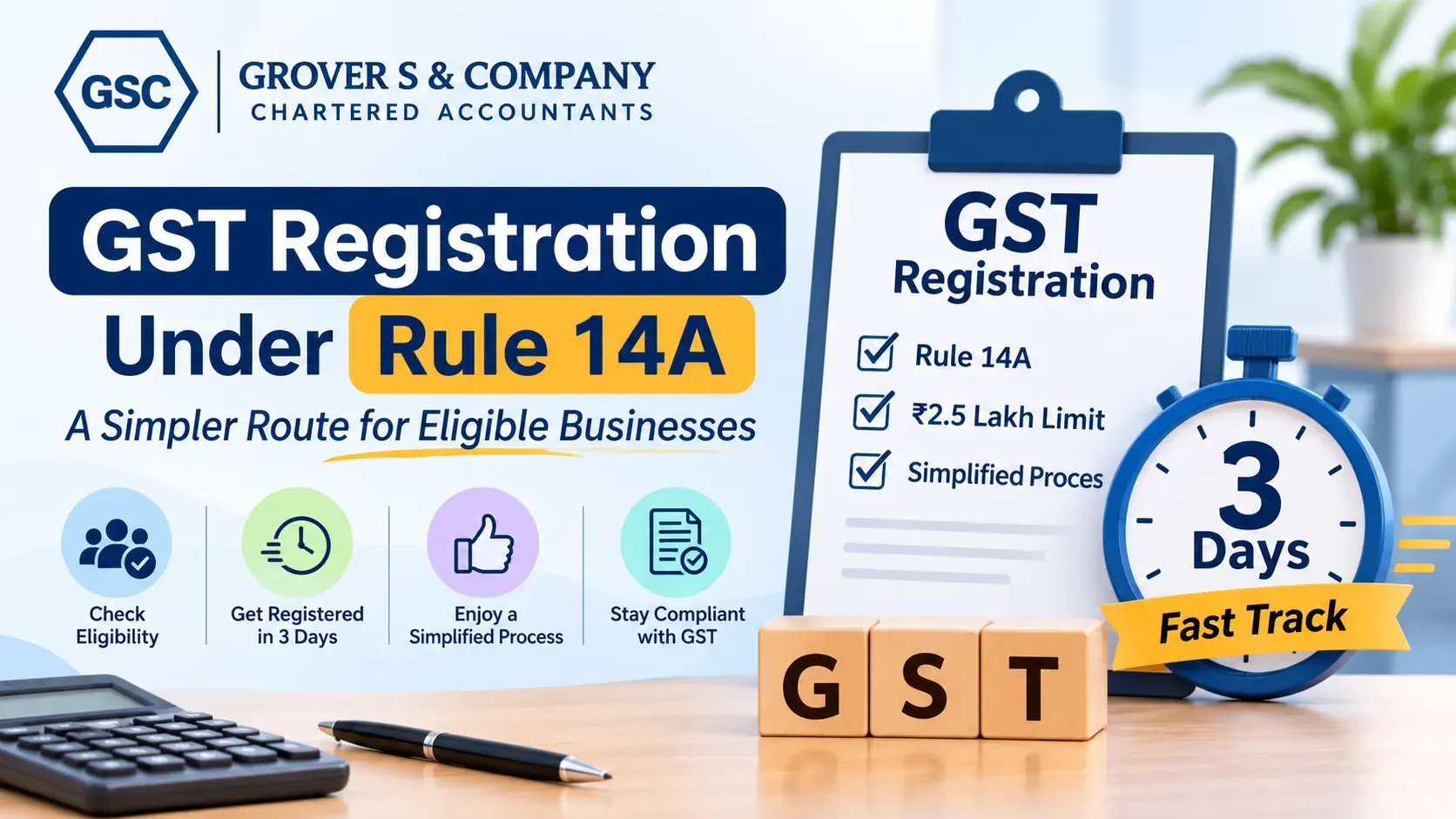
In general, if a manufacturer’s sales exceed the relevant threshold, they will need to register. Some manufacturers who sell only products (goods) may be able to use a higher threshold, depending upon where they are located and whether they meet the requirements. In addition, there are instances in which a manufacturer must register for GST even though their sales do not exceed the threshold.
Before beginning to use the application, manufacturers should find out what specific regulations will be applicable to their business. This can be especially beneficial for new businesses that have yet to set up their production facility or find their first customers.
Documents Needed for GST Registration
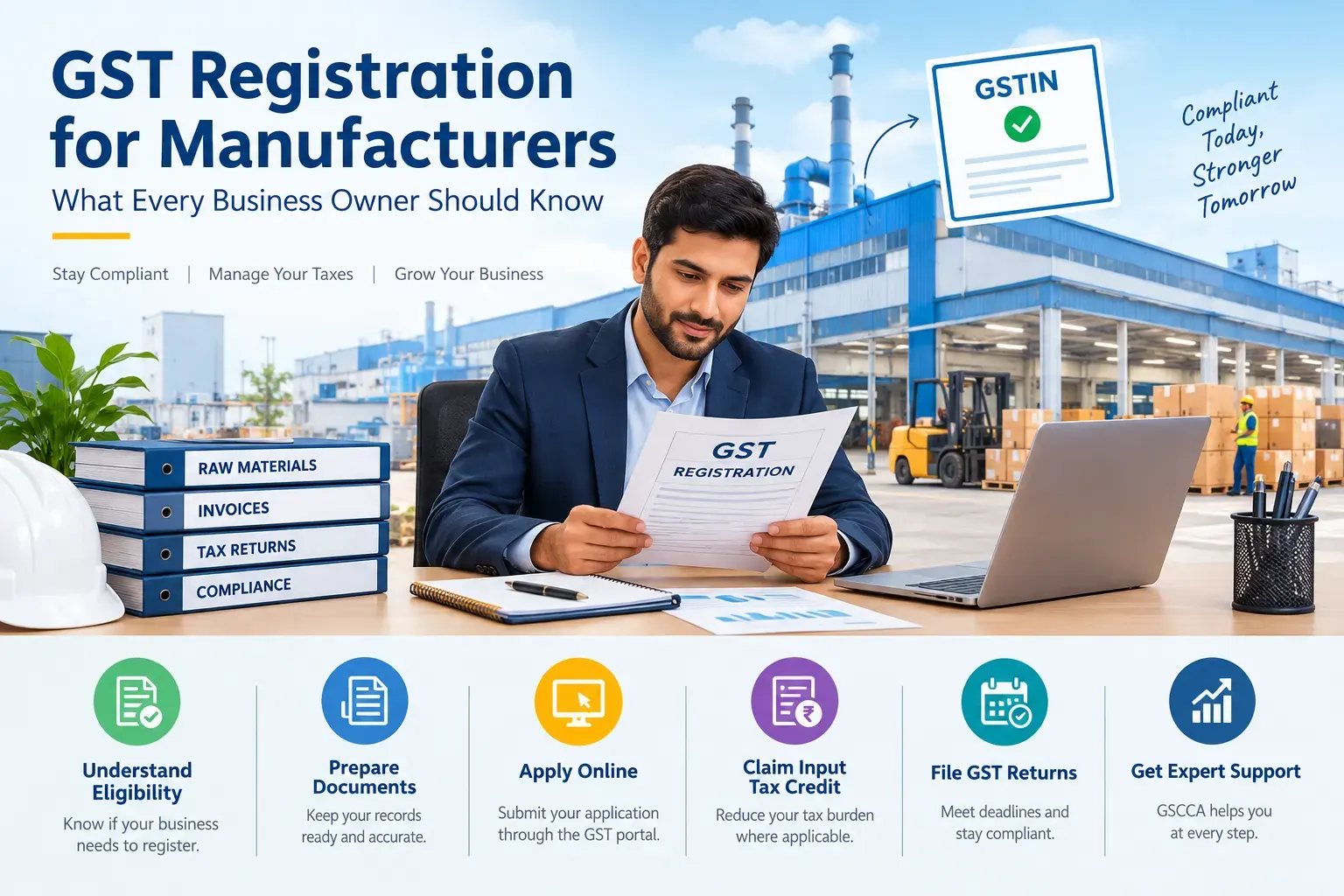
The preparation of the required documentation prior to starting the application for GST registration will help simplify the registration process. Manufacturers are typically required to provide their Permanent Account Number (PAN) information, as well as proof of identification and residence for the owner/authorized representative of the company, and evidence of the physical location of the business.
Companies, partnerships and other business entities can have additional documentation, i.e., incorporation certificate(s), partner’s information, and authorization letter(s). Additional documentation can include bank accounts and other types of documentation as needed by the application and its applicable rules.
It is best to double check everything on your application prior to submitting it. If you submit with even the slightest discrepancy in business details or address, this may cause additional questioning and/or delay processing.
How to Apply for GST Registration
Manufacturers may complete the GST registration process via the official GST portal. During this process manufacturers must provide business details, submit all requested information, upload supporting documentation and complete any applicable verification procedures.
After your application has been processed, your organization will receive a Goods and Services Tax Identification Number (GSTIN) that you can use when making purchases or sales in which you need to include GST. Your organization will also be required to provide this number on each invoice that requires it.
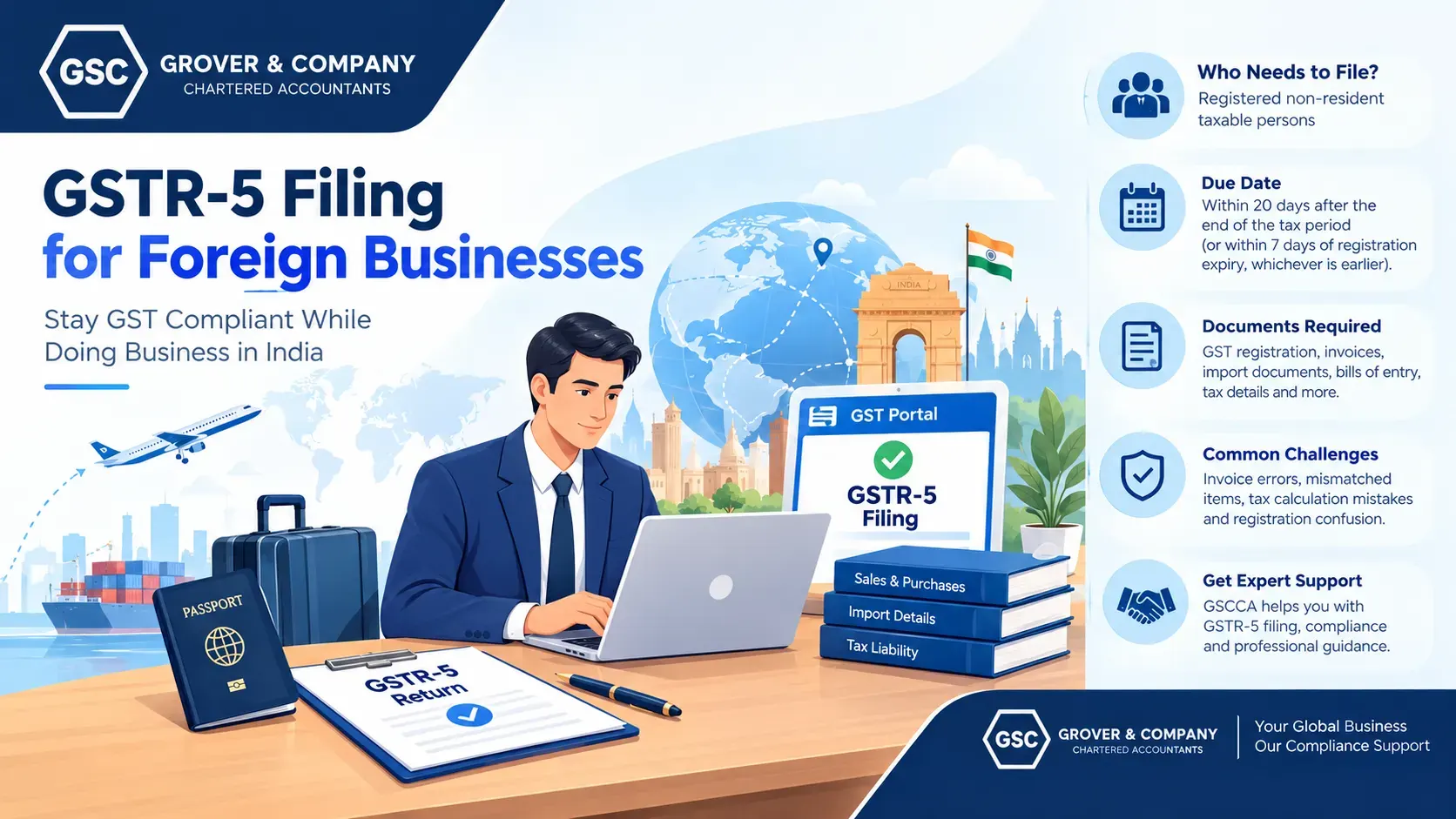
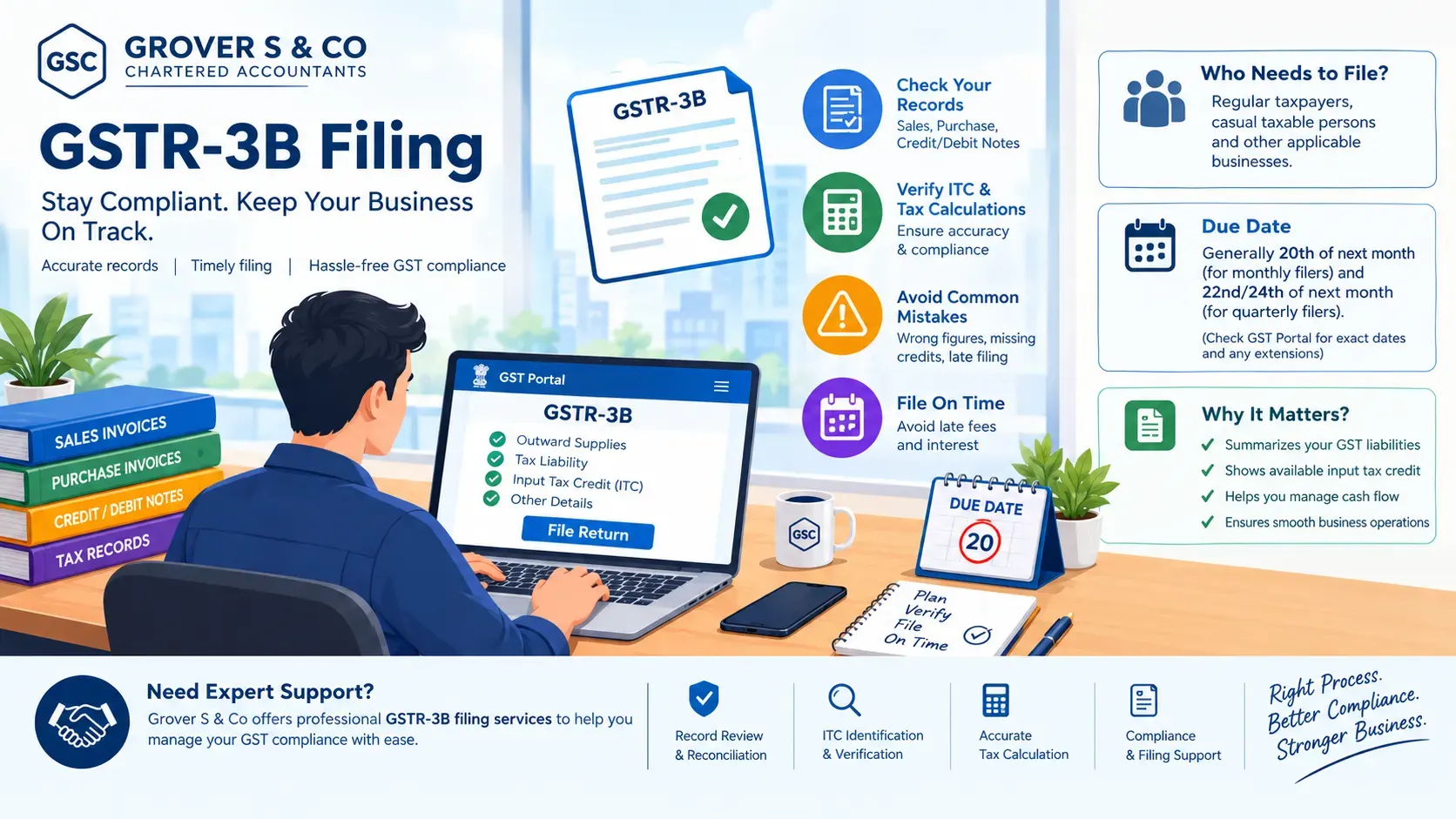
After obtaining the GSTIN, businesses must also know what are the returns they have to file, and update the details of the registration as soon as some business detail is changed.
Understanding Input Tax Credit and GST Returns
Manufacturers typically purchase many different items for use in their day-to-day operations including: raw materials, packaging, machinery and other related costs associated with doing business. A manufacturer may be able to offset some or all of its total tax liability through an input tax credit (ITC) for certain types of eligible expenditures depending upon the particular GST rules in effect.
Properly documented and compliant manufacturers are entitled to claim input tax credits. Manufacturers should maintain an organized system for keeping track of purchase invoices, sales records, and all other eligible business-related expenses. Additionally, manufacturers must ensure that they regularly reconcile their accounts with each other and submit all relevant GST returns on time.
Product Classification: Manufacturers need to make sure they know what type of good their product is, as there are different GST rates associated with various types of goods. Manufacturers should determine the right classification for their products and use the correct GST rate, rather than assuming it based upon a general knowledge.
How GSCCA Can Help Manufacturers
Manufacturing businesses have so much going on in terms of production, supplier management, order fulfillment and daily operations that understanding GST requirements may be difficult. GSCCA will assist manufacturing businesses in identifying what are the GST registration requirements for your business, prepare the necessary documents and manage your GST compliance obligations.
Make GST Compliance Part of Your Business Planning
The registration under GST (Goods and Service Tax) isn’t merely an administrative requirement that has to be fulfilled prior to beginning a manufacturing business. It’s also about establishing a sound basis for conducting business activities in the long run. By knowing what to do to register for GST, creating proper invoices, and filing GST returns timely; you will be able to avoid many compliance-related issues which could otherwise occur.
As a manufacturer you will have unique requirements based on your products, sales volume, and organizational structure. By being prepared and keeping accurate records, you as a manufacturer can focus on improving your process, providing excellent customer service, and expanding your company rather than spending excessive amounts of time completing unnecessary paperwork.