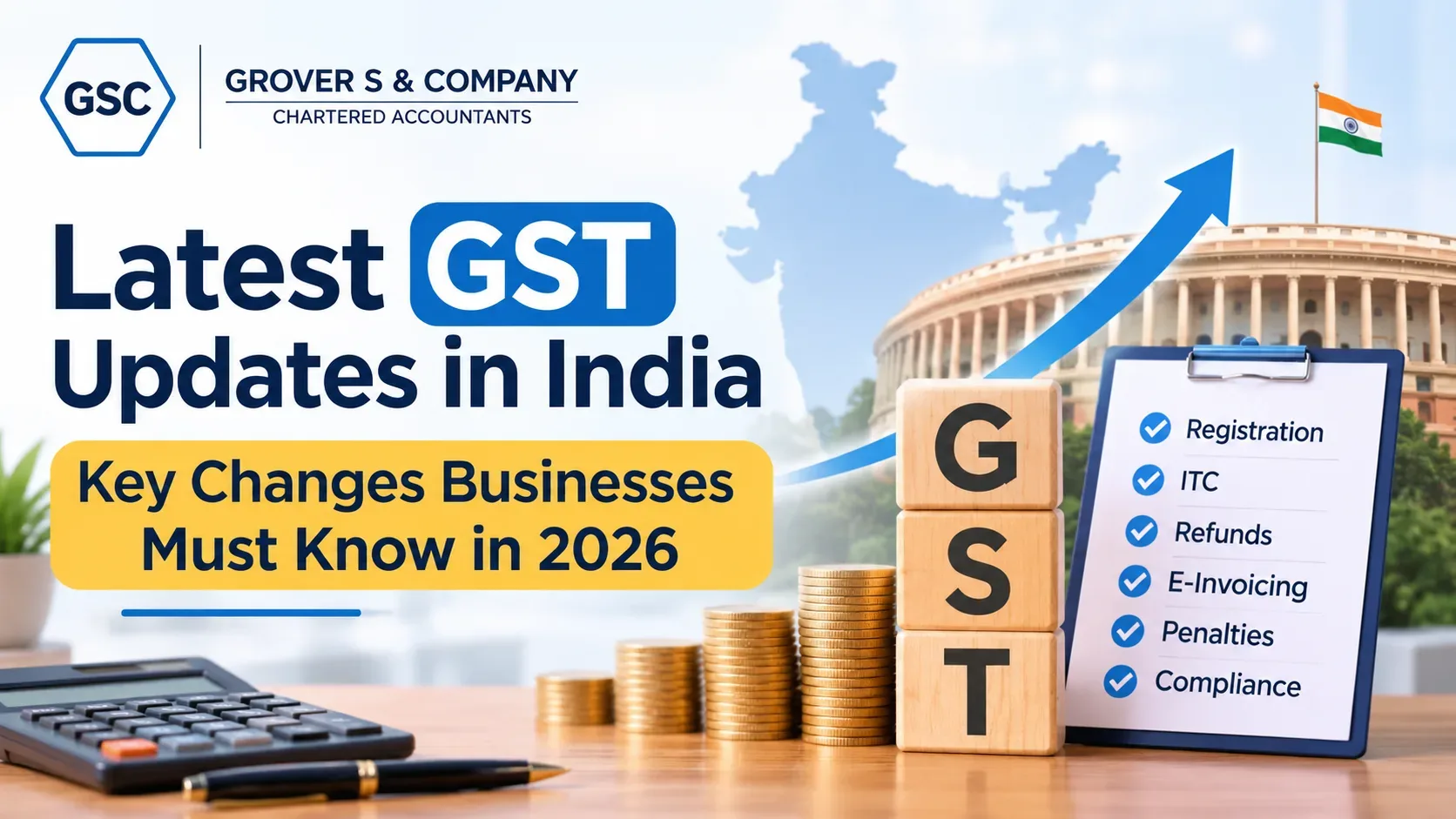
Changes in GST compliance in India. The Government of India is taking steps to simplify tax administration, increase transparency and reduce compliance burden on businesses.From GST registration, input tax credit, return filing, refunds to tax notices, the updates would affect the way businesses handle their financial and tax obligations.
Business owners should be aware of the latest GST updates to prevent compliance issues and take better-informed financial decisions.In its 57th meeting held on 8th October, 2026, the GST Council recommended several amendments to ease the compliance burden on businesses and improve the taxpayer experience.
GST Updates Every Business Should Know In 2026
The GST system has been recently updated to include; several types of taxation such as registration, input tax credit, refund requests, penalty applications and the transfer of goods.Business owners need to know if the changes to their systems have been implemented by the government, or if those changes will have to go through a process that requires approval by the legislature.
Changes in GST Registration Process
The GST Council has suggested changes to the way people apply for GST registration. These changes are designed to simplify the application process, which will make it easier for applicants to complete their applications and easier for the government to process those applications.Some of the changes under consideration include clearer guidance on what documents should be submitted with an application, better online help for applicants and a more transparent application process.
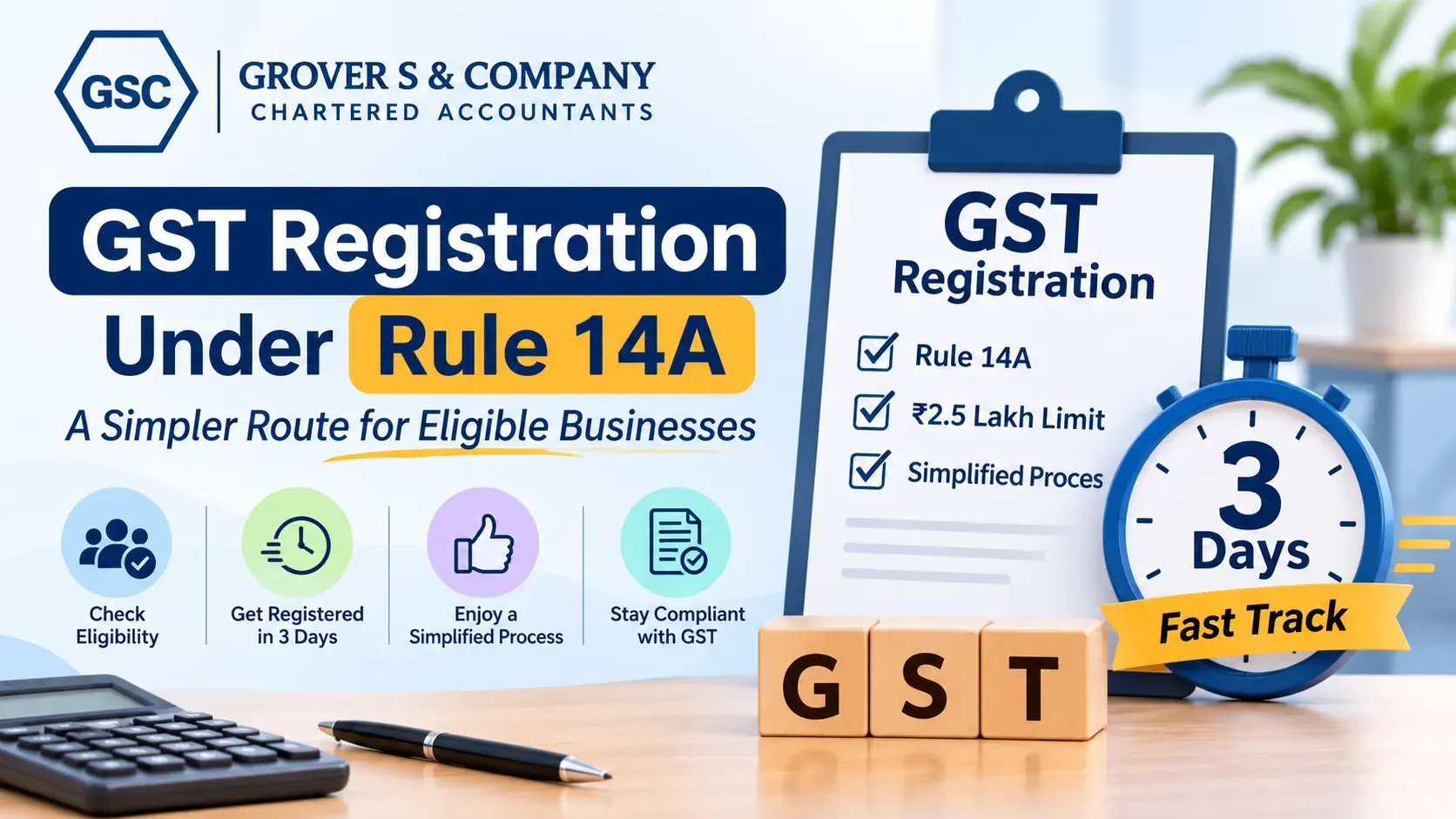
There is also a similar process for all other eligible business entities that qualify by meeting the established requirements. This simplified registration process is available under Rule 14A .When applying for a Goods and Services Tax (GST) registration number, an individual/entity must ensure that its Permanent Account Number (PAN), physical address documentation, financial institution information and all other supporting documentation are correct.
Major changes in Input Tax Credit (ITC)
Input Tax Credit is the crux of GST compliance as it allows eligible businesses to claim credit for a portion of the taxes paid on goods and services they purchase.
The new proposals would make more ITC refunds available to persons availing certain input services and capital goods. Refunds for eligible input services in relation to ITC used on or after November 1, 2026 will be available as part of the inverted duty structure. Capital goods ITC refunds will begin on April 1, 2027, and can be refunded over a period of 60 months.
The Council has suggested that some of the existing blocked ITC restrictions be eliminated (e.g. for specified outdoor catering, insurance and other supplies), provided that there is a corresponding change in the law and any relevant conditions are met.
GST Penalty and Notice-Related Reforms
A further development relates to GST Penalties and Tax Notices. The Council decided to reduce the maximum amount of general penalties leviable under Section 125 of the CGST Act from Rs. 25,000 to Rs. 10,000.
CBIC has issued instruction no. 02/2026-GST dated 30.10.2026 in furtherance to the above instructions. This direction is an interim measure and it directs all the field formations of Central GST not to issue show cause notices in cases where the amount of money involved is less than ₹10,000.Besides, this order also prohibits other arrests under GST.
These guidelines are for businesses that are involved in GST investigations or compliance processes. It is also important that taxpayers answer any relevant notices properly, as well as keeping accurate records.
Changes in E-Way Bill Verification
In addition, the Government has recommended changes to the inspections and verifications made to goods that are transported from one state to another. In accordance with the interim directions given by CBIC, conveyances may generally only be stopped or inspected on the basis of a specific intelligence which has been authorized by an officer of at least Joint Commissioner rank and whose reasons have been recorded in writing.
These actions are meant to eliminate unnecessary interruptions during the shipping process, making it easier for companies to transport goods. Companies will also need to generate legitimate e-way bills, maintain all invoices and prepare their shipping documentation so they can remain compliant.
Faster GST Refund Processing
Businesses that operate under an inverted duty structure, as well as those that export products, are likely to be affected by the delay of their GST refund in terms of their cash flow.
The GST Council recommended that a more automated process be established to handle the refund process for valid claims related to the excess electronic cash ledger balance, zero-rated supplies, and inverted duty structure. It is designed to shorten the time required to complete the refund process and enable businesses to obtain their valid refunds in a more timely manner.
To prevent any unwanted errors, businesses need to periodically check their GST returns, purchasing records and refund requests.
Changes in GST E-Invoicing and Compliance
The GST Council also suggested that there should be an extension of the e-invoicing requirement to certain domestic supplies made to non-taxpayers through reverse charge and imports of services by businesses whose total annual sales exceed ₹5 million.
These proposed changes emphasize the ever-increasing need for business to have an accurate digital invoicing system as well as a process for reporting transactions. Business owners will need to look at their existing accounting software and invoicing systems to ensure that they are able to comply with any new regulations that could be introduced.
How Businesses Can Prepare for the Latest GST Changes
Businesses must go beyond just being aware of the new rules of GST to keep up-to-date with GST developments. In addition, businesses must check their GST registration information on a regular basis; match GSTR-1 and GSTR-3B data; verify that the input tax credit records are accurate; and create appropriate purchase and sale records.
As well as providing help to companies in terms of understanding the effects of regulatory changes, identifying areas of non-compliance and dealing with issues surrounding GST related notices, refunds and return filing requirements, professional advice from a Chartered Accountant can provide valuable assistance to businesses.
Why Professional GST Assistance Matters
GST regulations can be difficult to understand. This is true especially for businesses with many transactions, varying tax rates and a continuous need to file their GST returns. Even a minor mistake in your GST return can result in reconciliation problems or additional compliance issues.
Grover S & Company assists businesses with GST registration, GST return filing, input tax credit reconciliation, GST advisory and compliance related issues.We want to help businesses understand their tax obligations and make sure they are keeping the right GST records.
Stay Updated with Latest GST Rules
GST updates are reflective of a continuous endeavor by the Government to simplify the tax process, improve compliance with regulations and make business processes more efficient.Businesses should also note that the GST Council recommendations, official notification and other relevant laws may not be implemented at the same time.
Businesses that regularly check on regulatory compliance requirements and stay in touch with relevant information are in a better position to avoid errors occurring when managing their GST obligations.Getting a qualified GST professional hired will be helpful in making this task more systematic and organized.